

Dynamic facades are moving from glossy architectural renders into real UK streets, quietly reshaping how modern offices look, feel and perform. For tech driven businesses, they are becoming less of a design flex and more of a practical infrastructure choice.
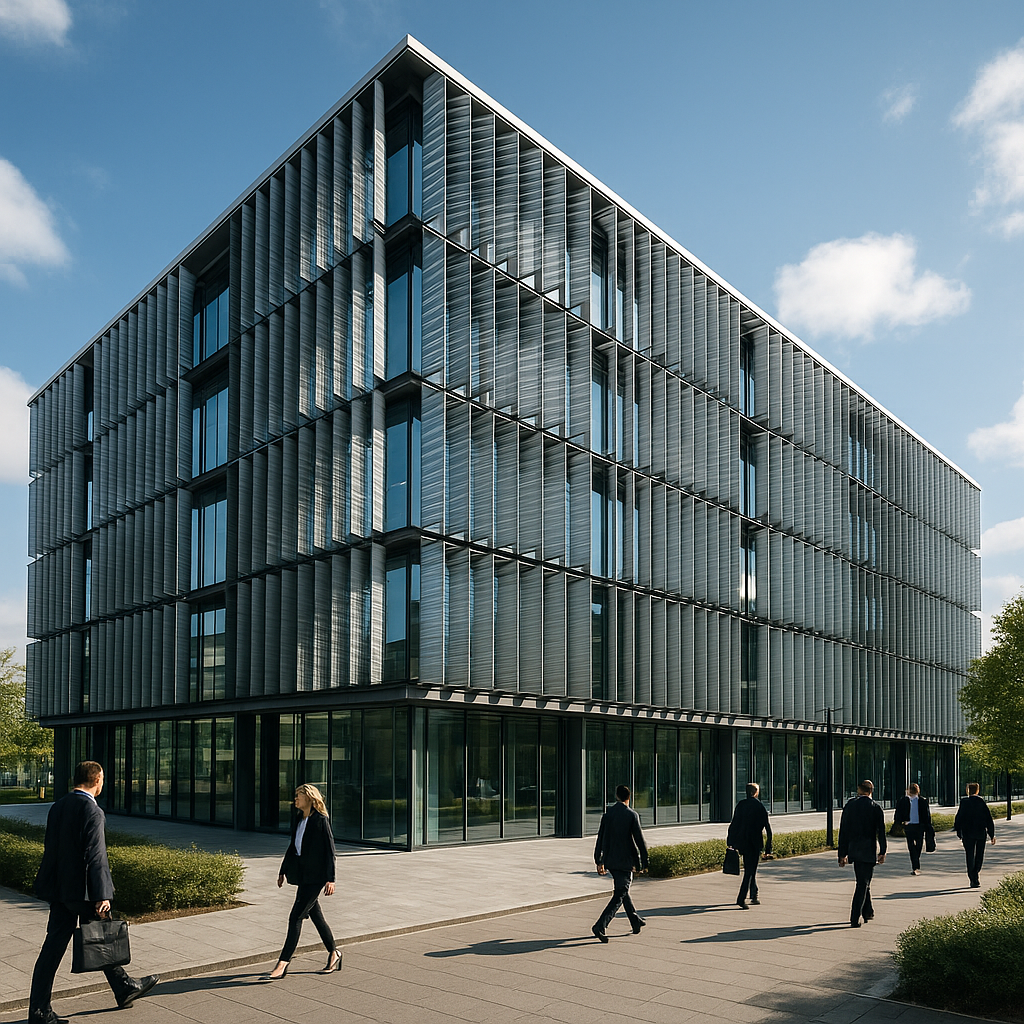
What are dynamic facades and why should UK businesses care?
In simple terms, dynamic facades are external building skins that can change in response to conditions like sunlight, temperature and occupancy. Instead of a static glass box, the building envelope behaves more like a responsive interface, continuously optimising comfort and energy use.
For UK businesses wrestling with rising energy costs, net zero targets and staff who expect comfortable, well lit workspaces, that responsiveness is gold. The facade becomes a real time control surface that quietly manages heat gain, glare and daylight, reducing the load on HVAC systems and making open plan spaces far more usable.
How dynamic facades cut energy use in modern offices
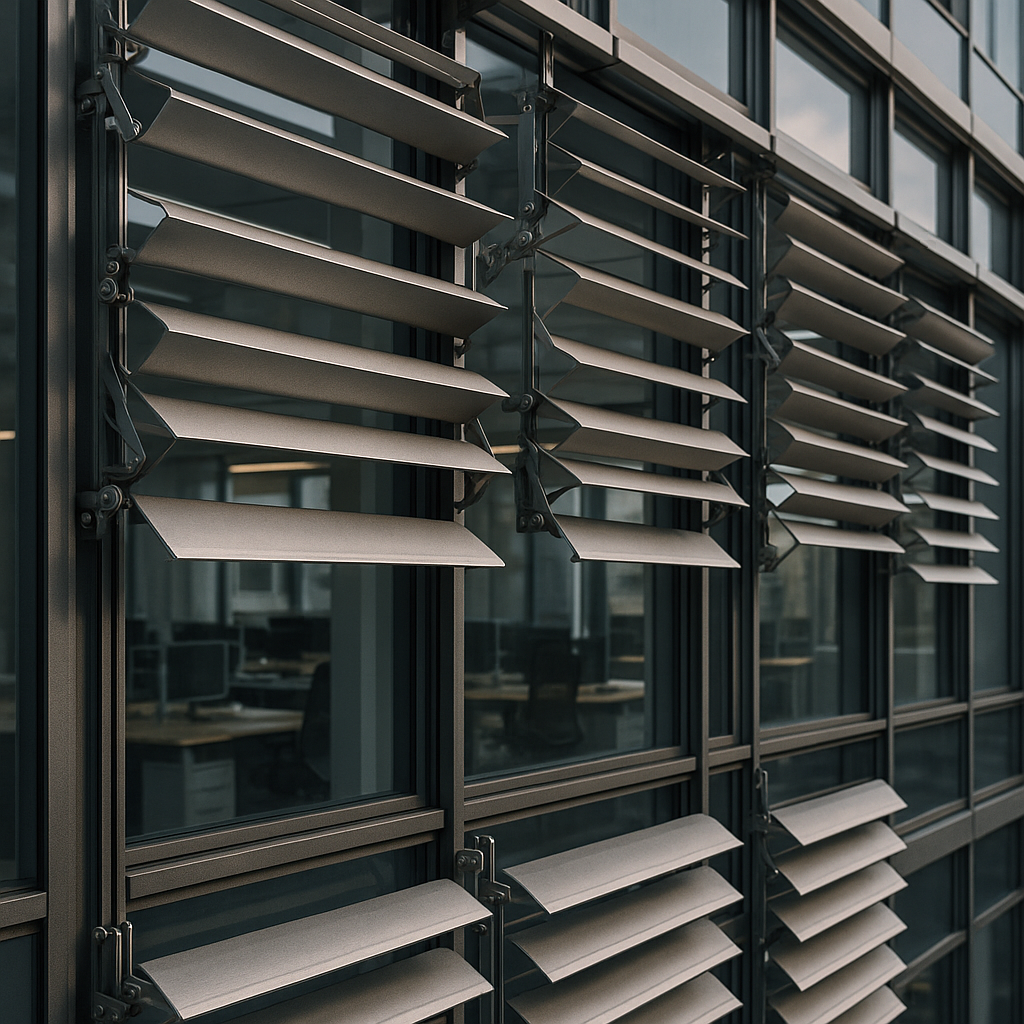
Glass heavy offices look sleek but act like greenhouses on bright days. Dynamic facades tackle this by adding intelligence and controllability to the building envelope. External fins, louvres, electrochromic glazing and kinetic panels can all be orchestrated to reduce solar gain without turning offices into gloomy caves.
In practice, that means less peak cooling demand, more stable internal temperatures and fewer hot desk wars over who sits next to the window. For facilities teams, live facade data can feed into energy dashboards, helping them understand how tweaks to shading profiles translate into kilowatt hour savings across the year.
Dynamic facades and the hybrid workplace
The hybrid work era has made office utilisation wildly uneven. Some days floors are buzzing, others they are ghost towns. Dynamic facades help buildings adapt to this variability by linking to occupancy data and space booking systems.
If only one wing of a floor is in use, the facade on that side can prioritise comfort and daylight, while less occupied areas shift into energy saving modes. Over time, machine learning models can predict typical usage patterns and pre configure facade settings, so the building is already tuned when people arrive.
Designing for people, not just performance
It is easy to get lost in kilowatt hours and automation logic, but the human side is where these solutions win hearts. Glare control means fewer headaches and less eye strain for screen based work. Tuned daylight reduces the need for harsh overhead lighting, making offices feel closer to natural environments.
There is also a psychological effect. When people see the facade move or tint in response to changing weather, it signals that the building is actively looking after them. That sense of a responsive environment can boost satisfaction in ways that are hard to quantify but easy to feel.
Data, controls and integration challenges
Getting the best from these solutions is less about the hardware and more about the software stack behind it. Successful projects integrate facade controls with building management systems, occupancy sensors, weather feeds and even calendar data.
The challenge for many UK organisations is governance. Who owns the data, who sets the rules and who has override controls when the algorithm gets it wrong on an unusually bright winter morning? Clear strategies, test loops and user feedback channels are essential to avoid a clever system becoming an office wide annoyance.
Where fabric meets fit out
these solutions do not exist in isolation. Their impact is shaped by what happens inside the glass line: desk layouts, collaboration zones and internal light management. Interior elements such as blinds and shutters still matter, but they now work as part of a layered strategy rather than a last minute fix.
Forward thinking businesses are bringing architects, engineers, IT teams and workplace strategists into the same conversation early. When the external skin and internal fit out are designed as a single responsive system, the result is a workspace that feels calmer, smarter and far more future proof.

Dynamic facades FAQs
How do dynamic facades differ from traditional office glazing?
Traditional office glazing is static, so its performance is fixed from the day it is installed. Dynamic facades use controllable elements like shading fins, louvres or tintable glass that respond to weather, time of day and occupancy. This allows the building to reduce heat gain, manage glare and optimise daylight in real time, improving comfort and lowering energy use compared with a conventional glass facade.
Are dynamic facades only viable for new UK office builds?
No, although they are easiest to integrate into new builds, there is growing interest in retrofit solutions for existing UK offices. External shading systems, adaptive panels and smart glazing films can be added to older facades to boost performance without fully recladding the building. The key is a careful feasibility study that weighs structural constraints, planning requirements and expected energy savings.
What data do dynamic facades typically rely on to operate effectively?
Dynamic facades usually draw on a mix of inputs: external light and temperature sensors, internal temperature readings, occupancy data, time schedules and weather forecasts. These data feeds are processed by a control system that adjusts shading or glass properties according to pre defined rules or machine learning models. The richer and cleaner the data, the more precisely the facade can balance comfort, daylight and energy efficiency.
Leave a Reply