Category: Business

  • How UK SMEs Can Profit From The Insulation And Renewables Boom

    How UK SMEs Can Profit From The Insulation And Renewables Boom

    The UK is quietly entering a golden age for insulation and renewables, and it is not just energy giants that stand to benefit. From data-led retrofit surveys to smart heat pump controls, there is a wave of opportunity for small and medium sized businesses that understand where the market is heading.

    Why insulation and renewables are booming now

    Three forces are converging: rising energy prices, tougher building regulations and corporate pressure to hit net zero targets. Together, they are driving demand for better insulation and renewables in homes, offices and industrial sites across the country.

    For UK businesses, this is no longer a niche sustainability topic. It is a hard-nosed cost and risk issue. Poorly insulated buildings bleed cash through wasted heat, while volatile energy prices make long term planning difficult. At the same time, investors and large customers are asking awkward questions about carbon footprints and supply chain emissions.

    That is why you are seeing more specialist firms like Westville Insulation & Renewables in the spotlight, as demand for practical, building-level solutions grows. But the ecosystem around them is just as important – and that is where tech savvy SMEs can carve out space.

    Where UK SMEs can plug into the insulation and renewables market

    You do not need to install solar panels or pump insulation into cavity walls to benefit from this shift. There are multiple layers of value in the insulation and renewables landscape, and many of them are digital-first.

    1. Data, diagnostics and digital surveys

    Before anyone spends money on upgrades, they want evidence. That means thermal imaging, smart meter analytics and building performance modelling. SMEs with skills in data science, IoT integration or building information modelling can offer diagnostic services that identify where insulation and renewables investments will pay back fastest.

    Think: remote energy audits, digital twins of buildings, or dashboards that track kWh saved after retrofit work. These services are attractive to landlords, housing associations and multi-site retailers who need scalable insights, not just one-off site visits.

    2. Software to tame complex projects

    Retrofit programmes are messy. They involve multiple trades, compliance checks, funding rules and tenant communications. Good software that orchestrates all of this is in short supply. Project management tools tailored to insulation and renewables workstreams – with features like materials tracking, photographic evidence capture and automated compliance reports – can save contractors serious time and money.

    UK SMEs already building SaaS tools for construction, facilities management or property management are well placed to create specialised modules for energy upgrade projects.

    3. Smart controls and occupant engagement

    Installing new kit is only half the story. Behaviour and control logic determine whether systems perform as expected. SMEs working with sensors, machine learning or UX design can create smarter heating controls, adaptive schedules and user apps that help occupants understand and optimise their energy use.

    The sweet spot is simple, low friction interfaces that sit on top of complex building systems and make them behave intelligently without constant human intervention.

    Building a business case around these solutions

    To convince cautious decision makers, you need more than green rhetoric. You need a spreadsheet that makes sense. The strongest propositions in these solutions tend to focus on three pillars: payback period, risk reduction and reputational upside.

    Payback is about hard numbers – energy savings, maintenance reductions and potential revenue from on site generation. Risk reduction covers exposure to future carbon pricing, regulatory non compliance and stranded asset risk. Reputational upside ties into tender scoring, investor expectations and employee engagement.

    Tech oriented SMEs can add value by making these benefits visible and trackable. That might mean automated reporting for ESG disclosures, or APIs that feed building performance data straight into corporate dashboards.

    Practical steps for UK businesses that want to get involved

    If you are an SME eyeing the these solutions space, start with a niche and a partner network. Map where your existing skills intersect with the upgrade journey: surveying, design, installation, finance, monitoring or optimisation.

    Energy consultants analysing building performance data for insulation and renewables upgrades
    Technician performing thermal imaging survey to plan insulation and renewables improvements

    Insulation and renewables FAQs

    What counts as insulation and renewables for UK businesses?

    For UK businesses, insulation and renewables typically covers fabric improvements like loft, cavity and solid wall insulation, as well as low carbon technologies such as solar PV, solar thermal, heat pumps and battery storage. Smart controls and monitoring systems that optimise these technologies are increasingly seen as part of the same package, because they directly affect energy use and carbon emissions.

    How can a non construction SME get involved in insulation and renewables?

    Non construction SMEs can focus on the digital and service layers that sit around physical upgrades. That includes data driven energy audits, software for managing retrofit projects, remote monitoring platforms, user facing apps for occupants, or financial modelling tools that help clients understand payback. These activities support installers and property owners without requiring you to become a traditional contractor.

    Are insulation and renewables projects only viable for large organisations?

    No. While big corporates and public sector bodies often run large scale programmes, smaller organisations can also benefit. SMEs can start with their own premises, targeting quick win measures with short payback periods, then scale up to multi site portfolios as budgets allow. On the supply side, small tech and service firms can specialise in particular building types or regions and still build strong, profitable niches.

  • Why Dynamic Facades Are The Quiet Revolution In UK Office Design

    Why Dynamic Facades Are The Quiet Revolution In UK Office Design

    Dynamic facades are moving from glossy architectural renders into real UK streets, quietly reshaping how modern offices look, feel and perform. For tech driven businesses, they are becoming less of a design flex and more of a practical infrastructure choice.

    What are dynamic facades and why should UK businesses care?

    In simple terms, dynamic facades are external building skins that can change in response to conditions like sunlight, temperature and occupancy. Instead of a static glass box, the building envelope behaves more like a responsive interface, continuously optimising comfort and energy use.

    For UK businesses wrestling with rising energy costs, net zero targets and staff who expect comfortable, well lit workspaces, that responsiveness is gold. The facade becomes a real time control surface that quietly manages heat gain, glare and daylight, reducing the load on HVAC systems and making open plan spaces far more usable.

    How dynamic facades cut energy use in modern offices

    Glass heavy offices look sleek but act like greenhouses on bright days. Dynamic facades tackle this by adding intelligence and controllability to the building envelope. External fins, louvres, electrochromic glazing and kinetic panels can all be orchestrated to reduce solar gain without turning offices into gloomy caves.

    In practice, that means less peak cooling demand, more stable internal temperatures and fewer hot desk wars over who sits next to the window. For facilities teams, live facade data can feed into energy dashboards, helping them understand how tweaks to shading profiles translate into kilowatt hour savings across the year.

    Dynamic facades and the hybrid workplace

    The hybrid work era has made office utilisation wildly uneven. Some days floors are buzzing, others they are ghost towns. Dynamic facades help buildings adapt to this variability by linking to occupancy data and space booking systems.

    If only one wing of a floor is in use, the facade on that side can prioritise comfort and daylight, while less occupied areas shift into energy saving modes. Over time, machine learning models can predict typical usage patterns and pre configure facade settings, so the building is already tuned when people arrive.

    Designing for people, not just performance

    It is easy to get lost in kilowatt hours and automation logic, but the human side is where these solutions win hearts. Glare control means fewer headaches and less eye strain for screen based work. Tuned daylight reduces the need for harsh overhead lighting, making offices feel closer to natural environments.

    There is also a psychological effect. When people see the facade move or tint in response to changing weather, it signals that the building is actively looking after them. That sense of a responsive environment can boost satisfaction in ways that are hard to quantify but easy to feel.

    Data, controls and integration challenges

    Getting the best from these solutions is less about the hardware and more about the software stack behind it. Successful projects integrate facade controls with building management systems, occupancy sensors, weather feeds and even calendar data.

    The challenge for many UK organisations is governance. Who owns the data, who sets the rules and who has override controls when the algorithm gets it wrong on an unusually bright winter morning? Clear strategies, test loops and user feedback channels are essential to avoid a clever system becoming an office wide annoyance.

    Where fabric meets fit out

    these solutions do not exist in isolation. Their impact is shaped by what happens inside the glass line: desk layouts, collaboration zones and internal light management. Interior elements such as blinds and shutters still matter, but they now work as part of a layered strategy rather than a last minute fix.

    Forward thinking businesses are bringing architects, engineers, IT teams and workplace strategists into the same conversation early. When the external skin and internal fit out are designed as a single responsive system, the result is a workspace that feels calmer, smarter and far more future proof.

    Open plan UK office interior benefiting from controlled daylight through dynamic facades
    Close up of moving louvres on office building dynamic facades in the UK

    Dynamic facades FAQs

    How do dynamic facades differ from traditional office glazing?

    Traditional office glazing is static, so its performance is fixed from the day it is installed. Dynamic facades use controllable elements like shading fins, louvres or tintable glass that respond to weather, time of day and occupancy. This allows the building to reduce heat gain, manage glare and optimise daylight in real time, improving comfort and lowering energy use compared with a conventional glass facade.

    Are dynamic facades only viable for new UK office builds?

    No, although they are easiest to integrate into new builds, there is growing interest in retrofit solutions for existing UK offices. External shading systems, adaptive panels and smart glazing films can be added to older facades to boost performance without fully recladding the building. The key is a careful feasibility study that weighs structural constraints, planning requirements and expected energy savings.

    What data do dynamic facades typically rely on to operate effectively?

    Dynamic facades usually draw on a mix of inputs: external light and temperature sensors, internal temperature readings, occupancy data, time schedules and weather forecasts. These data feeds are processed by a control system that adjusts shading or glass properties according to pre defined rules or machine learning models. The richer and cleaner the data, the more precisely the facade can balance comfort, daylight and energy efficiency.

  • How UK SMEs Can Use Embedded Finance To Unlock Growth

    How UK SMEs Can Use Embedded Finance To Unlock Growth

    The phrase embedded finance for UK SMEs has quietly shifted from jargon to boardroom agenda. For tech curious founders and finance leads, it is no longer a question of if financial tools should be baked into products and platforms, but how to do it in a way that actually improves margins and customer experience.

    What embedded finance for UK SMEs really means

    Embedded finance is about putting financial services directly inside the software and journeys your customers already use. Instead of sending someone off to a separate bank or lender, the payment, credit check or insurance quote appears natively in your app, portal or checkout.

    For small and mid sized UK businesses, this typically shows up in three places:

    • Payments built into platforms, from online portals to field service apps
    • On the spot lending or “buy now, pay later” style terms at checkout
    • Automated cash flow tools that sit on top of your existing banking and accounting stack

    The clever bit is the data layer. When you already know a customer’s history, order pattern or risk profile, you can make smarter, faster decisions than a generic third party lender or payment provider.

    Why embedded finance for UK SMEs is taking off now

    Three trends are driving adoption across British businesses:

    1. Margin pressure: Rising costs mean SMEs are hunting for new revenue streams. Taking a slice of payment or lending economics is suddenly attractive.
    2. Customer expectations: People are used to one click checkouts and instant credit decisions. Clunky redirects to legacy portals feel prehistoric.
    3. Better infrastructure: Modern APIs, open banking and specialist providers have made it feasible for even small firms to plug in serious financial capabilities.

    Put simply, the building blocks that big tech has enjoyed for years are now accessible to the average UK SaaS platform, marketplace or B2B services firm.

    Where embedded finance fits in your business model

    Before you start wiring in new tools, it helps to map where embedded finance can genuinely move the needle:

    1. Improving conversion at checkout

    If you sell higher ticket products or services, giving customers flexible payment options at the point of sale can lift conversion. That might mean instalment plans, instant credit approval or pay later terms that sync with your invoicing.

    2. Deepening B2B customer relationships

    For platforms serving other businesses, embedded finance can turn you into a financial ally rather than just a software vendor. Examples include offering revenue based financing to your merchants or dynamic credit limits tied to their performance on your platform.

    3. Smoothing your own cash flow

    On the back end, embedded finance tools can accelerate invoice payments, automate reminders, or give you early access to receivables. That can be the difference between treading water and having the firepower to invest.

    Choosing the right embedded partner

    This is where the geeky due diligence matters. When you plug finance into your product, you are effectively sharing your reputation with a third party. Factors to weigh up include:

    • Regulatory footprint: Are they properly authorised in the UK, and how do they handle compliance responsibilities between you and them?
    • API quality: Clean documentation, sandbox environments and predictable versioning save your engineers weeks of pain.
    • Data controls: Who owns what data, how is it stored, and can you get it back out in a usable format?
    • Commercial model: Revenue share, flat fees or hybrid structures will all hit your unit economics differently.

    Specialist providers such as Vesta have emerged to bridge the gap between traditional finance and modern product teams, wrapping risk and compliance in a developer friendly layer.

    Risks and trade offs to keep in mind

    For all the upside, embedded finance is not a free upgrade. Key risks include:

    • Regulatory spillover: Even if a partner holds the licence, you may still shoulder conduct or disclosure responsibilities.
    • Customer confusion: If the experience is not clearly explained, users may not understand who is actually providing the financial service.
    • Technical lock in: Deep integrations can make it painful to switch providers later.

    The fix is to treat embedded finance as a core product decision, not a quick monetisation hack. Get legal, finance and engineering in the same room early, and build migration paths into your architecture from day one.

    Startup founder planning product roadmap that includes embedded finance for UK SMEs
    Business and tech team choosing partners to implement embedded finance for UK SMEs

    Embedded finance for UK SMEs FAQs

    What is embedded finance for UK SMEs in simple terms?

    Embedded finance for UK SMEs means putting financial services like payments, lending or insurance directly inside the software, apps or online journeys that customers already use, instead of sending them to a separate bank or provider.

    Is embedded finance for UK SMEs only relevant to tech companies?

    No. Embedded finance for UK SMEs can benefit any business that has repeat customers or digital touchpoints, from marketplaces and SaaS platforms to trade suppliers and professional services firms that invoice clients online.

    How should we evaluate providers of embedded finance for UK SMEs?

    When assessing providers of embedded finance for UK SMEs, focus on their regulatory status, quality of APIs and documentation, data protection standards, commercial model, and how clearly responsibilities are split between your business and the financial partner.

  • How UK Indie Makers Are Using Tech To Scale Handmade Businesses

    How UK Indie Makers Are Using Tech To Scale Handmade Businesses

    The conversation about tech for handmade businesses has levelled up in the UK. Indie makers are no longer just dabbling with social media and a basic online shop. They are quietly building data led, tech enabled operations that still feel artisan on the surface, but run with the efficiency of a lean startup underneath.

    Why tech for handmade businesses is no longer optional

    Handmade used to mean local craft fairs and word of mouth. Now, buyers expect fast responses, clear stock information, slick checkout experiences and reliable delivery. That expectation gap is exactly where tech for handmade businesses earns its keep.

    Three pressures are driving the shift:

    • Global competition – UK makers are competing with international marketplaces and mass produced goods that copy the handmade aesthetic.
    • Rising costs – Materials, energy and shipping costs have climbed, so margins are thinner and waste hurts more.
    • Customer habits – Shoppers browse on phones, expect personalisation and are used to real time order updates.

    Without better systems, it is incredibly hard for a small craft brand to keep up with those expectations without burning out.

    Core digital foundations for modern makers

    The smartest indie brands are quietly building a tech stack that fits their scale, rather than copying what big retailers do. A solid baseline usually includes:

    • Cloud based inventory – Even a simple app that tracks stock, materials and made to order items in real time can prevent overselling and disappointed customers.
    • Order management – Pulling orders from multiple marketplaces and a standalone webshop into one dashboard saves hours of admin and reduces mistakes.
    • Payments and invoicing – Integrated payments, automatic invoicing and basic accounting tools mean makers spend more time creating and less time reconciling spreadsheets.
    • Customer data – A lightweight CRM or email platform that stores purchase history and preferences allows personal, relevant communication without creepy tracking.

    None of this needs to be enterprise level. The key is choosing tools that talk to each other and can be learned in a weekend, not a quarter.

    Using data without killing the craft

    Many makers are understandably wary of anything that feels like corporate analytics. Yet a small amount of data can protect the creative side of the business rather than threaten it.

    Useful data points for makers include:

    • Product profitability – Time tracking plus material costs reveal which lines are secretly loss making.
    • Seasonal trends – Simple sales reports show when to build stock, launch new designs or pause slower ranges.
    • Channel performance – Comparing conversion and average order value across platforms shows where to focus limited energy.

    This is not about optimising every pixel of the brand. It is about ensuring the business side quietly supports the creative work instead of constantly fighting it.

    Case in point: handmade bags in a digital world

    Accessories are a good example of where tech for handmade businesses can have an outsized impact. A brand like Sallyann Handmade Bags has to juggle fabric sourcing, colourways, limited runs and custom orders, often across multiple sales channels. Without basic digital tools for inventory, pattern tracking and customer communication, that complexity quickly becomes chaos.

    By contrast, a maker who uses a simple product information system can log each design, variation and material batch. When a certain pattern sells out, they know exactly how many units were produced, which customers bought them and whether a re run is worth it. The tech is invisible to the shopper, but it is the difference between guesswork and informed decisions.

    Automation that keeps the human touch

    Automation is often framed as the enemy of authenticity, but for indie makers it can actually protect the human parts of the brand.

    Low key, maker friendly automations might include:

    • Automatic order confirmation, dispatch and delay updates, written in the maker’s own voice.
    • Stock alerts when a best seller is running low, so it can be prioritised in the workshop.
    • Follow up emails asking for reviews or sharing care instructions, set once and then left alone.

    The goal is to automate the repetitive, predictable interactions so that the truly personal moments – custom design chats, behind the scenes videos, handwritten notes – get more attention, not less.

    Inventory software on screen supporting tech for handmade businesses in a craft workshop
    Entrepreneur analysing online orders as part of tech for handmade businesses in the UK

    Tech for handmade businesses FAQs

    What is the most important tech for handmade businesses just starting out?

    For a new handmade brand, the priority is usually a reliable online shop with clear product information, plus basic inventory tracking so you do not oversell. From there, add simple order management and email tools as sales grow. It is better to master a few tools properly than to bolt on every new app and end up overwhelmed.

    How can handmade businesses use data without losing their creative identity?

    Treat data as a safety net, not a dictator. Track essentials like product profitability, seasonal demand and channel performance, then use those insights to protect your time and budget for experimentation. Data should help you decide which ideas to double down on, not tell you what to make next.

    Is automation suitable for very small handmade businesses?

    Yes, as long as automation is used to remove repetitive admin rather than replace personal contact. Simple flows for order confirmations, dispatch updates and review requests can save hours each month. The key is writing them in your own voice and leaving space for manual, human responses where it really matters.

  • How UK In‑House Marketing Teams Are Really Using Generative AI

    How UK In‑House Marketing Teams Are Really Using Generative AI

    Across UK companies, in‑house teams are quietly turning generative AI in marketing from a novelty into a daily workhorse. It is not replacing marketers, but it is reshaping how copy is written, visuals are created and campaigns are planned.

    Where generative AI in marketing actually works

    The most successful teams treat generative tools as smart assistants rather than magic boxes. They use them heavily for:

    • First draft copy for emails, landing pages and product descriptions, which is then edited by humans for tone, accuracy and brand fit.
    • Variations at scale, such as multiple subject lines, ad versions and social captions for A/B testing.
    • Content repurposing, turning webinars into blog outlines, long reports into social posts, or FAQs into help centre drafts.
    • Image concepts, generating moodboards, layout ideas and quick mock‑ups before designers commit to final artwork.
    • Campaign scaffolding, like audience segment ideas, rough journey maps and draft content calendars.

    Used this way, generative AI in marketing speeds up the boring middle of the process. Marketers spend less time staring at blank documents and more time deciding what is actually worth saying.

    Tasks that still demand human oversight

    Despite the hype, there are hard limits. In regulated or reputation‑sensitive sectors, teams are learning those limits quickly.

    • Brand voice: AI can mimic tone, but it often drifts into generic language. In‑house teams keep humans as final gatekeepers of voice and style.
    • Accuracy and risk: Tools can fabricate facts, misinterpret policies or miss cultural nuance. Legal, compliance and subject experts still need to review anything that could mislead or offend.
    • Strategy: AI can suggest ideas, but prioritising channels, budgets and positioning still relies on human judgement, data literacy and political awareness inside the business.
    • Original thought: Models remix what already exists. Fresh angles, controversial takes and truly new propositions come from people who understand the market.

    The pattern is emerging clearly: AI drafts, humans decide. The more sensitive the content, the tighter that human control becomes.

    How UK in‑house teams are changing their workflows

    Instead of building separate “AI projects”, many marketing departments are embedding tools into existing workflows. Common patterns include:

    • Prompt libraries: Shared documents of tested prompts for email copy, persona creation or research summaries, so the whole team can get consistent results.
    • Template‑first processes: Standardised briefing templates that plug straight into AI tools, reducing rework and making outputs easier to compare.
    • Review stages: Formal sign‑off steps where AI‑generated content is flagged and must be checked for accuracy, bias and brand alignment.
    • Hybrid brainstorming: Teams run a quick AI idea dump, then hold a human workshop to critique, combine and refine the best suggestions.

    For images, many in‑house designers are using generative tools for early‑stage concepting. They generate rough compositions, colour schemes or layout ideas, then recreate the chosen direction properly in their usual design software. This keeps creative control in human hands while shortening the exploration phase.

    Skills modern marketers now need around generative AI in marketing

    Job descriptions for in‑house roles are quietly shifting. Instead of asking if candidates have “experience with AI”, hiring managers are looking for specific capabilities.

    • Prompt design and iteration: The ability to ask the right questions, provide structured context and iteratively refine outputs.
    • Critical evaluation: Spotting hallucinated facts, weak arguments, biased assumptions and off‑brand language.
    • Data fluency: Understanding how training data, privacy and analytics affect what the tools can and cannot safely do.
    • Workflow thinking: Knowing where to insert AI in a process so it speeds things up without breaking quality controls.

    In practice, this is creating hybrid roles. Content specialists are becoming part editor, part AI operator. Designers are becoming part art director, part toolsmith. Marketing operations teams are being asked to own governance, access controls and usage guidelines.

    Governance, ethics and the UK context

    UK companies also need to think about regulation, data protection and public trust. In‑house teams are starting to define rules such as:

    Digital marketer in a London office reviewing campaign ideas powered by generative AI in marketing
    Creative team editing AI-generated visuals and copy as part of generative AI in marketing workflow

    Generative AI in marketing FAQs

    How are UK in‑house teams starting with generative AI in marketing?

    Most UK in‑house teams start small with generative AI in marketing by using it for low‑risk tasks such as internal drafts, idea generation and content repurposing. They gradually move to customer‑facing work only after they have clear review processes, prompt templates and sign‑off rules in place.

    Will generative AI in marketing replace copywriters and designers?

    Current usage suggests that generative AI in marketing is augmenting copywriters and designers rather than replacing them. It takes over repetitive drafting and concepting work, while humans focus on strategy, originality, brand voice and final quality control. Roles are shifting, but the need for skilled specialists remains strong.

    What risks should UK companies consider when using generative AI in marketing?

    Key risks include inaccurate or fabricated information, biased or insensitive content, misuse of customer data and unclear accountability if AI‑assisted campaigns cause harm. UK companies should set governance policies, involve legal and compliance where needed, and ensure that all AI‑generated marketing materials receive human review before publication.

  • How UK Tech Is Reshaping Traditional Dealership Models

    How UK Tech Is Reshaping Traditional Dealership Models

    The phrase UK tech reshaping traditional dealership models might sound niche, but it is a neat shorthand for a much bigger story: how data, software and changing customer behaviour are forcing long established retail structures to evolve at speed.

    Why UK tech reshaping traditional dealership models matters

    Dealerships are a great testbed for digital transformation. They combine high value, infrequent purchases with complex finance, regulation and aftersales. If technology can streamline that, it can streamline almost anything in UK retail and services. For business leaders, watching how this sector adapts offers a live case study in managing disruption without blowing up the core operation.

    Over the last few years, customer expectations have quietly shifted. People want to research, compare, configure, finance and even complete major purchases online, but still value face to face reassurance at key points. That hybrid expectation is exactly what is driving UK tech reshaping traditional dealership models – the winning formula is no longer purely physical or purely digital, but a carefully orchestrated blend.

    From forecourt first to digital first

    Historically, the forecourt was the funnel. Today, the funnel often starts with a search query, a marketplace listing or a personalised email. The dealership that treats its website as a static brochure is already behind. The emerging standard is a connected stack: inventory feeds, finance calculators, live chat, video walkarounds and online booking all stitched together so the customer journey feels continuous rather than fragmented.

    Groups that lean into this, such as Lister Group, are essentially treating their physical sites as experience centres that plug into a much larger digital ecosystem. The visit is no longer the start of the journey, it is one touchpoint among many. For tech minded businesses in any sector, the lesson is clear – build the digital journey first, then design the physical experience to complement it.

    Data as the new service bay

    One of the most interesting aspects of UK tech reshaping traditional dealership models is the quiet rise of data driven aftersales. Connected products, telematics and app based servicing reminders turn what used to be a reactive relationship into a predictive one. Instead of waiting for a customer to remember a service date, smart systems can nudge at exactly the right time, with tailored offers based on usage patterns and past behaviour.

    For operations teams, this is gold. It smooths workshop loading, improves parts forecasting and increases the lifetime value of each customer. For the customer, it feels like competent, low friction support. Translating that to other industries is not hard: whenever you have a product with a lifecycle, there is an opportunity to turn sporadic contact into a managed, data informed relationship.

    Omnichannel is a process problem, not a platform problem

    It is tempting to see omnichannel as a tech shopping list: get an app, refresh the website, bolt on a chatbot and call it transformation. In reality, the hard work sits in the processes and people. Sales, finance, marketing and service teams all need to see and use the same data. Handovers between online and in person touchpoints must be designed, not improvised.

    The more serious groups focusing on UK tech reshaping traditional dealership models are investing heavily in integration and training. They are mapping customer journeys, redefining roles and building KPIs that reward collaboration instead of channel rivalry. That is a useful reminder for any UK business flirting with digital change – if the culture and processes stay siloed, no amount of shiny software will fix the experience.

    Regulation, trust and transparency

    Another driver of change is regulatory pressure around finance, advertising and consumer duty. Digital journeys leave a data trail, which regulators increasingly expect businesses to use in the customer’s interest. Clear pricing, accessible documentation and auditable advice are no longer nice to have extras, they are risk management essentials.

    Paradoxically, this is where tech can become a trust engine. Well designed digital journeys can standardise disclosures, simplify complex choices and give customers a record of what they agreed to and why. For boardrooms, this shifts technology from a cost centre to a strategic control tool – it reduces compliance risk while improving experience.

    UK business team analysing data as part of UK tech reshaping traditional dealership models strategy
    Customer using online journey that shows UK tech reshaping traditional dealership models from home

    UK tech reshaping traditional dealership models FAQs

    What does UK tech reshaping traditional dealership models actually involve?

    It involves using digital tools, data and integrated systems to redesign how customers research, finance and maintain major purchases. Instead of treating the forecourt or showroom as the start of the journey, dealerships are building online first experiences, then connecting them to in person visits, aftersales and support. The goal is a joined up, low friction experience that feels consistent across every channel.

    Why should other UK businesses care about changes in dealership models?

    Dealerships sit at the intersection of complex regulation, finance and long term customer relationships, so they are a useful early indicator of how digital expectations are shifting. If customers learn to expect seamless, data informed service in one sector, they quickly transfer that expectation everywhere else. Studying how UK tech reshaping traditional dealership models works in practice can help other businesses avoid common pitfalls and copy proven approaches.

    What is the first step for a business inspired by UK tech reshaping traditional dealership models?

    The first step is to map your current customer journey end to end and identify where people drop out, get confused or have to repeat themselves. Once you understand those friction points, you can target specific technologies, such as integrated CRMs, online self service tools or smarter booking systems, to remove them. Starting with journey mapping and data integration usually delivers more value than jumping straight into advanced features or new platforms.

  • How Dynamic Shading Systems Are Changing UK Office Design

    How Dynamic Shading Systems Are Changing UK Office Design

    As UK businesses wrestle with rising energy costs and more demanding sustainability targets, dynamic shading systems are quietly becoming a favourite tool for tech minded office designers. Sitting at the intersection of building physics, automation and workplace strategy, these systems are reshaping how offices handle daylight, heat and glare.

    What are dynamic shading systems?

    Dynamic shading systems use sensors, controls and often motorised blinds or louvres to automatically adjust how much daylight enters a space. Unlike static curtains or manual blinds, they respond in real time to sun position, cloud cover and sometimes even occupancy data.

    In a typical setup, light sensors on the facade feed data into a control unit. That unit then raises, tilts or lowers shading elements to keep glare within comfortable limits while maximising natural light. The smarter end of the market integrates with building management systems so lighting, heating and cooling can all react together.

    For facilities teams, the appeal is obvious: fewer complaints about screen glare, more consistent temperatures and a path to lower electricity use without asking staff to constantly tweak their own shades.

    Why dynamic shading systems matter for UK businesses

    The UK’s notoriously changeable weather actually makes a strong case for dynamic shading systems. A bright winter morning can flip to overcast in minutes, and south facing glass in summer can turn an open plan office into a greenhouse by mid afternoon.

    Automated shading can flatten out those extremes. By reducing solar gain on hot days, it lightens the load on air conditioning. In cooler months, it can be programmed to capture passive solar heat in the morning then close partially to prevent glare later in the day. Over a year, that can mean a meaningful cut in both energy bills and carbon emissions.

    There is also a human angle. Knowledge workers spend hours glued to screens, and constant squinting or fiddling with manual blinds is a productivity killer. A well tuned system that quietly keeps luminance levels in the comfort zone can reduce eye strain and headaches without anyone needing to think about it.

    Tech trends shaping the next wave of office shading

    Recent advances are turning dynamic shading systems from niche add ons into core building infrastructure. Cloud based control platforms now allow facilities managers to monitor and tweak shading across multiple sites from a single dashboard. Some solutions use machine learning to predict sun paths and occupancy patterns, optimising settings over time.

    There is also growing interest in pairing shading with smart glass, where the glazing itself can tint electronically. While still relatively expensive, this combination promises fine grained control of both light and heat, especially in high value spaces like executive floors and client facing meeting suites.

    In the UK market, fit out specialists are increasingly bundling automated shading into wider workplace modernisation projects, particularly in tech heavy sectors and city centre refurbishments where energy performance certificates are under scrutiny.

    Integrating shading with workplace strategy

    Dynamic shading systems are not just a facilities toy. They sit squarely in the conversation about how offices support hybrid teams, concentrated work and collaboration. A data led approach can, for example, keep focus areas cooler and darker, while ensuring collaboration zones feel bright and inviting.

    Forward looking companies are starting to treat daylight as another layer of experience design, alongside acoustics and layout. That means involving IT, HR and workplace strategists, not just building engineers, in decisions about how automated shading should behave throughout the day and across seasons.

    For organisations upgrading open plan spaces, it is worth thinking about how shading logic interacts with desk booking systems and occupancy sensors. If half a floor is unoccupied on a given day, there is no need to keep it perfectly lit and cooled.

    Practical considerations and pitfalls

    Despite the upside, these solutions are not plug and play. Poorly configured controls can leave staff frustrated if blinds are constantly moving or if meeting rooms go dark during key presentations. User override options, clear communication and decent commissioning are essential.

    Office facade with external dynamic shading systems managing sun exposure
    Facilities manager monitoring dynamic shading systems on building control screens

    Dynamic shading systems FAQs

    How do dynamic shading systems reduce office energy costs?

    Dynamic shading systems cut energy costs by limiting unwanted solar heat gain in summer and allowing beneficial sunlight in cooler periods. By automatically adjusting blinds or louvres based on light and temperature sensors, they reduce the workload on air conditioning and sometimes heating. When integrated with lighting controls, they can also dim artificial lights when daylight is sufficient, further lowering electricity use.

    Can dynamic shading systems be retrofitted to older UK office buildings?

    Yes, dynamic shading systems can often be retrofitted, but the complexity varies. Buildings with existing power and control routes near windows are usually straightforward. Older properties may need additional cabling, wireless controls or a phased approach, starting with key areas like meeting rooms or south facing facades. A detailed site survey is essential to understand structural constraints and to choose appropriate hardware and control strategies.

    What should businesses consider before investing in dynamic shading systems?

    Before investing, businesses should assess facade orientation, existing glazing performance, HVAC capacity and patterns of space usage. It is important to define clear objectives, such as reducing energy bills, improving comfort or achieving specific sustainability ratings. Organisations should also plan for user training, override policies and ongoing tuning of control settings. Working with a supplier who can provide performance data and support after installation helps ensure the system delivers long term value.

    window blinds

  • How Parcel Collection Points Are Reshaping the UK High Street

    How Parcel Collection Points Are Reshaping the UK High Street

    The rapid rise of parcel collection points across the UK high street is quietly rewiring how people shop, how goods move and how small retailers survive. From lockers in supermarket car parks to independent shops acting as click and collect hubs, the line between online and offline retail is getting very blurry.

    What are parcel collection points and why are they everywhere?

    Parcel collection points are locations where customers can pick up or return online orders instead of receiving them at home. They include staffed counters in convenience stores, lockers in petrol stations, and local businesses partnered with courier networks or marketplaces.

    The model solves several problems in one hit. Couriers reduce failed deliveries, marketplaces offer more flexible options at checkout, and customers get control over when and where they receive parcels. For high street retailers, it is a new way to drive people through the door without massive marketing spend.

    How parcel collection points change high street footfall

    The biggest immediate impact is footfall. Each parcel collection or return is a reason for someone to visit a physical location they might otherwise ignore. That visit is a micro opportunity to convert a pure logistics interaction into a retail one.

    Data from retailers that have embraced click and collect style services suggests a consistent pattern: a percentage of customers buying something extra while they are in store. Even low conversion rates can be meaningful when hundreds of parcels pass through a location every week. For smaller high street shops, this can be the difference between a quiet Tuesday and a profitable one.

    There is also a subtle behavioural shift. When customers start to see a shop as part of their weekly parcel routine, it becomes embedded in their mental map of the local area. That kind of habitual presence is hard to buy with advertising alone.

    Logistics costs and the power of consolidation

    From a logistics perspective, parcel collection points are essentially consolidation nodes. Instead of a van attempting multiple home deliveries on a single street, dozens of parcels can be dropped at one location in a single stop.

    This consolidation can reduce last mile costs per parcel, cut fuel usage and lower the carbon footprint of each delivery. For carriers and marketplaces, those savings are strategically important as volumes rise and consumers resist higher delivery fees.

    For small retailers hosting the service, the economics look different. They are trading space, staff time and a little operational complexity for handling fees, extra footfall and the chance to upsell. The trick is to avoid becoming an unpaid mini-warehouse. Clear processes, defined storage areas and staff training are essential to keep the service from overwhelming the core business.

    Shifting consumer expectations around convenience

    As parcel collection points become normal, consumer expectations are shifting. “Next day to my door” is no longer the only benchmark for convenience. Many shoppers are now happy to trade doorstep delivery for certainty and flexibility.

    Being able to pick up a parcel late in the evening, combine returns with the weekly shop, or use lockers to avoid missed deliveries creates a different kind of convenience. It is less about speed and more about control. That expectation bleeds into how people view all local services.

    For retailers, this raises the bar. Customers increasingly assume that local businesses will offer some form of click and collect, out of hours access, or easy returns. Shops that ignore the trend risk looking old fashioned, even if their core offer is strong.

    What small retailers should consider before signing up

    For small businesses, joining a network of parcel collection points can be a smart move, but it is not a free lunch. Key questions to ask include:

    Outdoor lockers serving as parcel collection points at a UK supermarket
    Independent UK retailer using in store space as parcel collection points

    Parcel collection points FAQs

    How do parcel collection points benefit small UK retailers?

    Small retailers benefit from parcel collection points through increased footfall, handling fees and more chances to upsell to customers who visit only to pick up or return parcels. When managed well, the service builds local awareness and embeds the shop into customers’ weekly routines, without the cost of traditional marketing campaigns.

    Are parcel collection points expensive for businesses to run?

    The direct costs of parcel collection points are usually low, but there are hidden operational costs in staff time, training and storage space. Retailers need to weigh handling fees and extra sales against the impact on day to day operations. Clear processes, defined storage areas and limits on parcel volumes help keep the service sustainable.

    Do customers really prefer parcel collection points to home delivery?

    Many customers still like home delivery, but parcel collection points appeal to people who value certainty and flexibility. They are useful for those who are not at home during the day, live in shared accommodation, or want to combine collections and returns with other errands. As the options become more common, they are increasingly seen as a normal part of the delivery mix rather than a niche alternative.

  • How UK SMEs Are Using Open Banking Tools To Run Smarter Finances

    How UK SMEs Are Using Open Banking Tools To Run Smarter Finances

    For UK small and medium sized businesses, open banking tools have quietly turned old school banking into something closer to an API. Instead of logging into clunky portals and downloading CSV files, founders are wiring their bank data directly into dashboards, cashflow models and accounting platforms.

    What are open banking tools for SMEs?

    At a basic level, open banking tools let a business connect its bank accounts securely to other software. With the business’s permission, these apps can read transactions in near real time and in some cases initiate payments. For UK SMEs juggling multiple accounts, cards and payment providers, that single data pipe is becoming the financial nervous system of the company.

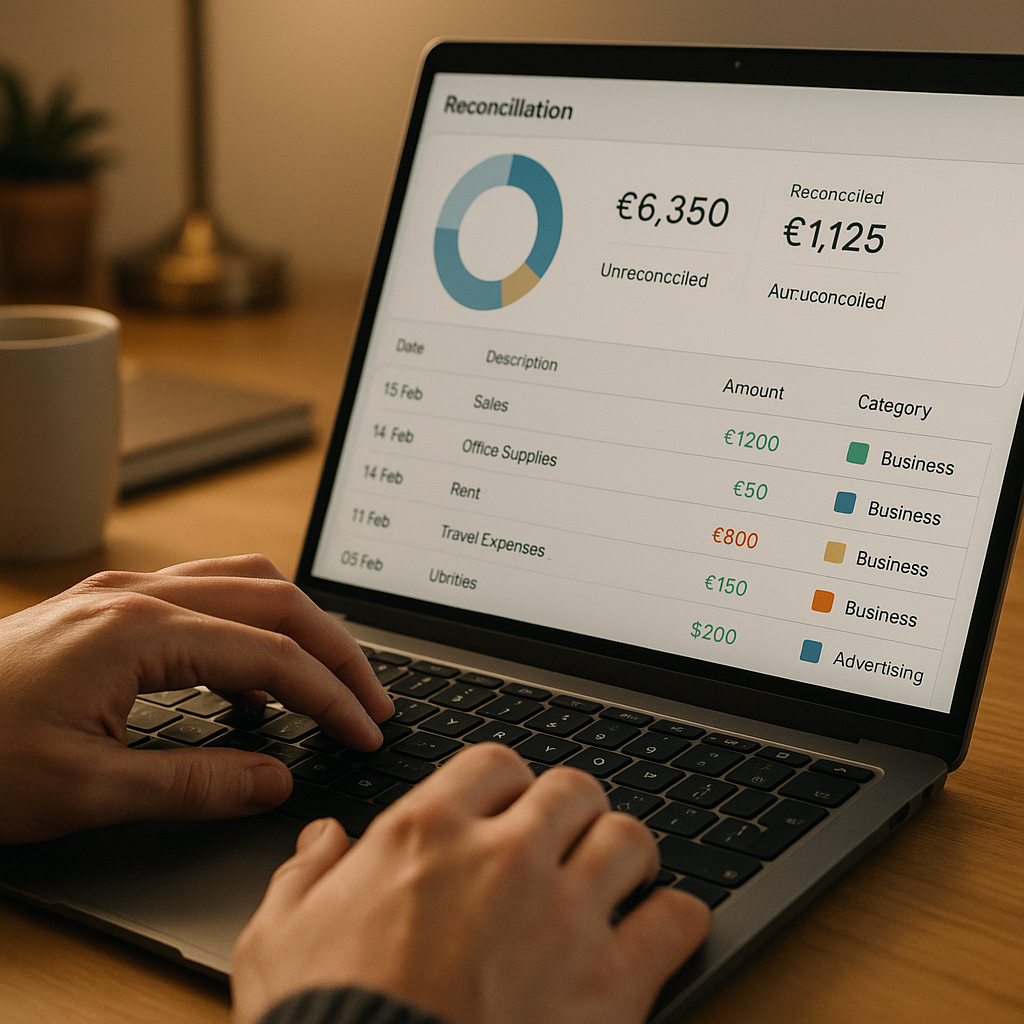
    In practice, this means less time on manual admin and more time interrogating graphs. Instead of reconciling statements on a Friday afternoon, owners can open one dashboard and see all balances, incoming payments, upcoming bills and tax liabilities in one place.

    Cashflow forecasting with open banking tools

    Cashflow has always been the thing that keeps UK founders awake at 3am. Open banking tools are making it more predictable. By plugging live transaction feeds into forecasting software, businesses can build rolling cashflow views that update automatically.

    Typical features include:

    • Daily updated cash positions across all bank accounts
    • Automatic categorisation of income and spend to show trends
    • Scenario modelling for best, base and worst case revenue
    • Alerts when projected balances are about to go negative

    The nerdy part is the modelling. Some tools allow you to tag invoices and subscriptions, then predict when they will actually be paid based on past behaviour. Others plug into sales platforms so your pipeline feeds straight into cashflow forecasts. For finance teams that love a spreadsheet, this is essentially a live data feed replacing endless copy and paste.

    Smarter lending decisions for UK SMEs

    Lenders are also leaning heavily on open banking tools. Instead of asking for PDFs of bank statements and waiting days for underwriters, many UK SME lenders now request consent to connect directly to your accounts. The software analyses income stability, seasonality, average balances and existing commitments in minutes.

    For businesses, this can mean:

    • Faster decisions on working capital loans and overdrafts
    • Credit limits that flex with real time performance
    • More nuanced assessments for newer businesses without long trading histories

    It is not magic – if your numbers are weak, the decision will still be no – but the experience is far closer to connecting a new app than applying for a traditional bank loan. The data extraction is automated, and the risk models are built on actual transaction behaviour rather than static snapshots.

    Accounting automation and nerdy dashboards

    Accounting software has arguably been the biggest winner from open banking tools. Bank feeds now sync multiple times a day, transactions auto match to invoices and rules learn how you categorise spend over time.

    For the spreadsheet obsessed, the fun really starts with integrations. Common setups include:

    • Bank feeds into accounting software, then into a custom reporting tool such as Power BI or Looker Studio
    • Webhook style alerts into Slack or Teams when large payments land or key bills are paid
    • APIs feeding into internal dashboards that combine financial data with website traffic, ad spend and operational metrics

    The result is a single screen where a founder can see today’s bank balance, this month’s profit, ad performance and support ticket volume. Traditional banking portals simply are not built for that kind of joined up view.

    How this compares with traditional banking

    Traditional banking was designed around branches and statements. Data was locked away in PDFs and monthly exports. these solutions flip that on its head by treating financial data as something that should flow wherever the business needs it, securely and with clear consent.

    Key differences include:

    • Frequency: from monthly statements to near real time data
    • Format: from static documents to structured transaction feeds
    • Control: from bank centric portals to business centric dashboards

    This does not replace banks, but it does change their role. For many SMEs, the bank is now the secure vault and regulated infrastructure, while the day to day experience is delivered by a layer of specialist apps on top.

    Laptop displaying a cashflow and accounting dashboard connected to open banking tools
    Team planning finance integrations using open banking tools for a UK business

    Open banking tools FAQs

    Are open banking tools safe for UK small businesses to use?

    In the UK, regulated open banking tools must comply with strict security and data protection rules. Access to your bank is granted through secure authentication rather than sharing passwords, and you can revoke permissions at any time. The bigger risks usually come from weak internal controls, such as shared logins or not removing access when staff leave, so it is important to manage user permissions carefully.

    How can open banking tools improve cashflow management for SMEs?

    By connecting your bank accounts directly to forecasting software and accounting platforms, open banking based tools can update cash positions automatically, categorise income and expenses, and flag upcoming shortfalls. This removes a lot of manual reconciliation and gives owners a rolling, data driven view of cashflow instead of relying on static spreadsheets or end of month reports.

    Do I need a new bank account to use open banking tools?

    Most major UK business banks already support open banking connections, so you can usually plug in existing accounts without moving provider. The key step is choosing compatible apps for forecasting, accounting or reporting, then granting them permission to access your transaction data. It is worth checking both your bank and any prospective tools for compatibility before you commit to a new setup.

  • How tighter cyber insurance requirements are reshaping UK SMEs

    How tighter cyber insurance requirements are reshaping UK SMEs

    Cyber insurance requirements have quietly levelled up, and UK businesses that rely heavily on tech are starting to feel the pressure. What used to be a tick-box exercise on a renewal form is now closer to a full security audit. For tech-heavy SMEs, this shift is both a headache and an opportunity to drag security up to modern standards.

    Why cyber insurance requirements are tightening

    Insurers have been stung by a run of expensive ransomware and data breach claims. Payouts went up, and in many cases the basic controls they expected from clients simply were not there. In response, underwriters have tightened cyber insurance requirements and are treating poor security as a business risk just like faulty wiring or no fire doors.

    On the positive side, the market is becoming more mature. Policies are more clearly worded, exclusions are less vague, and insurers are starting to differentiate between organisations with robust controls and those flying blind. For SMEs, that means security posture now has a direct, visible impact on cost and cover.

    Common new cyber insurance requirements

    While every insurer has its own flavour of questionnaire, several themes are now standard across most cyber insurance requirements. If you run a tech-heavy SME, expect detailed questions in at least these areas:

    Multi factor authentication everywhere

    MFA is no longer a nice-to-have. Most policies now expect MFA on email, remote access, admin accounts and key cloud services as a minimum. Some underwriters will flatly refuse cover if privileged accounts do not have MFA enabled. If you are still debating whether SMS codes are enough, you are already behind the curve – app based or hardware token based MFA is rapidly becoming the default expectation.

    Backups that actually work

    Insurers are no longer satisfied with a vague statement that “we take regular backups”. They want to know how often data is backed up, where it is stored, whether it is immutable or air gapped, and how often you test restores. For many SMEs, the upgrade path has been moving towards immutable cloud backups with strict access controls and documented restore procedures.

    Incident response plans on paper, not in heads

    A written incident response plan is fast becoming a baseline requirement. That means named roles, clear playbooks for ransomware, data breaches and email compromise, and contact details for internal and external responders. Some insurers will ask whether you have run tabletop exercises in the last 12 months and whether your board has seen and signed off the plan.

    Endpoint protection and patching discipline

    Legacy antivirus is out, and insurers increasingly expect modern endpoint detection and response tooling across servers and endpoints. They will also ask about patching SLAs: how quickly you apply security updates, how you track missing patches and whether internet facing services are monitored for vulnerabilities.

    How premiums and cover are changing

    The pricing model is shifting from flat rates to more risk based premiums. Businesses that can demonstrate strong controls are more likely to see stable or only modestly increased costs, while those with weak controls face higher premiums, reduced limits or exclusions for certain types of attack.

    Some insurers are introducing tiered policies where specific controls unlock better cover. For example, having MFA and tested backups might reduce your excess for ransomware incidents. Conversely, failing to maintain agreed controls can lead to disputes when claims are made, which is why it is crucial that answers on proposal forms are accurate and kept up to date.

    Nerdy security controls that actually help

    For tech forward SMEs, this is a chance to geek out in useful ways. Several controls that once felt like overkill are now both practical and insurer friendly:

    • Zero trust style access, with strict identity controls and minimal standing privileges.
    • Centralised identity management, such as single sign on with conditional access policies.
    • Security monitoring that goes beyond basic logs, including alerting on suspicious admin activity.
    • Regular phishing simulations and security awareness training backed by metrics.
    • Configuration baselines for laptops, servers and cloud environments enforced via code.

    These measures not only reduce the chance of an incident but also provide the kind of audit trail insurers like to see when assessing claims.

    Business leader and security specialist reviewing policies related to cyber insurance requirements
    Technician checking servers and dashboards to comply with cyber insurance requirements

    Cyber insurance requirements FAQs

    Why are cyber insurance requirements getting stricter for UK SMEs?

    Insurers have seen a surge in costly ransomware and data breach claims, often from organisations with weak basic controls. To reduce risk, underwriters now expect stronger security measures such as multi factor authentication, robust backups and formal incident response plans. These tighter cyber insurance requirements help insurers price risk more accurately and encourage businesses to improve their security posture.

    What controls do insurers usually expect before offering cyber cover?

    Most insurers now expect multi factor authentication on key systems, reliable and tested backups, modern endpoint protection, a documented incident response plan and a clear patching process for servers and endpoints. Depending on the size and sector of the business, cyber insurance requirements may also include security awareness training, privileged access management and regular vulnerability assessments.

    Can better security controls reduce my cyber insurance premium?

    Yes, many underwriters are moving towards risk based pricing. If you can demonstrate strong controls that exceed their minimum cyber insurance requirements, you are more likely to secure favourable premiums, better limits and fewer exclusions. Some insurers also offer enhanced terms or reduced excesses where businesses can evidence mature security practices and regular testing of their controls.