Category: Business

  • Why UK Businesses Are Betting On Energy Efficient Buildings

    Why UK Businesses Are Betting On Energy Efficient Buildings

    Energy efficient buildings are moving from a niche concern to a boardroom priority across the UK. Rising energy prices, tightening regulations and pressure from investors and customers are forcing organisations of all sizes to rethink how their premises are designed, heated and managed.

    For many UK businesses, property is one of the biggest fixed costs. Every kilowatt of wasted heat or lighting is now felt directly on the bottom line. At the same time, the built environment is responsible for a large share of national emissions, putting commercial and industrial sites in the spotlight as the country works towards net zero.

    What is driving the shift to energy efficient buildings?

    Several powerful trends are converging. Energy bills remain volatile and many firms are still feeling the impact of recent price spikes. Cutting consumption is often the fastest way to regain control of operating costs, especially for energy intensive sectors such as manufacturing, logistics and hospitality.

    Regulation is also tightening. Minimum Energy Efficiency Standards for rented commercial property are being phased in, and future changes to building regulations are widely expected to demand higher performance from new and refurbished sites. Landlords and occupiers who ignore these shifts risk stranded assets, reduced valuations and difficulties securing finance.

    There is also a reputational dimension. Investors, large corporate clients and the public sector are increasingly scrutinising supply chains. Companies that can demonstrate credible action on building performance are better placed to win contracts and access green finance products that reward lower emissions.

    How energy efficient buildings change business performance

    The business case is no longer just about cutting bills. Energy efficient buildings can improve productivity, reduce staff turnover and support hybrid working models.

    Better control of temperature, ventilation and lighting has been linked to fewer sick days and higher concentration levels, particularly in offices and educational settings. Natural light and stable indoor conditions tend to make workplaces more attractive, which helps with recruitment and retention in a tight labour market.

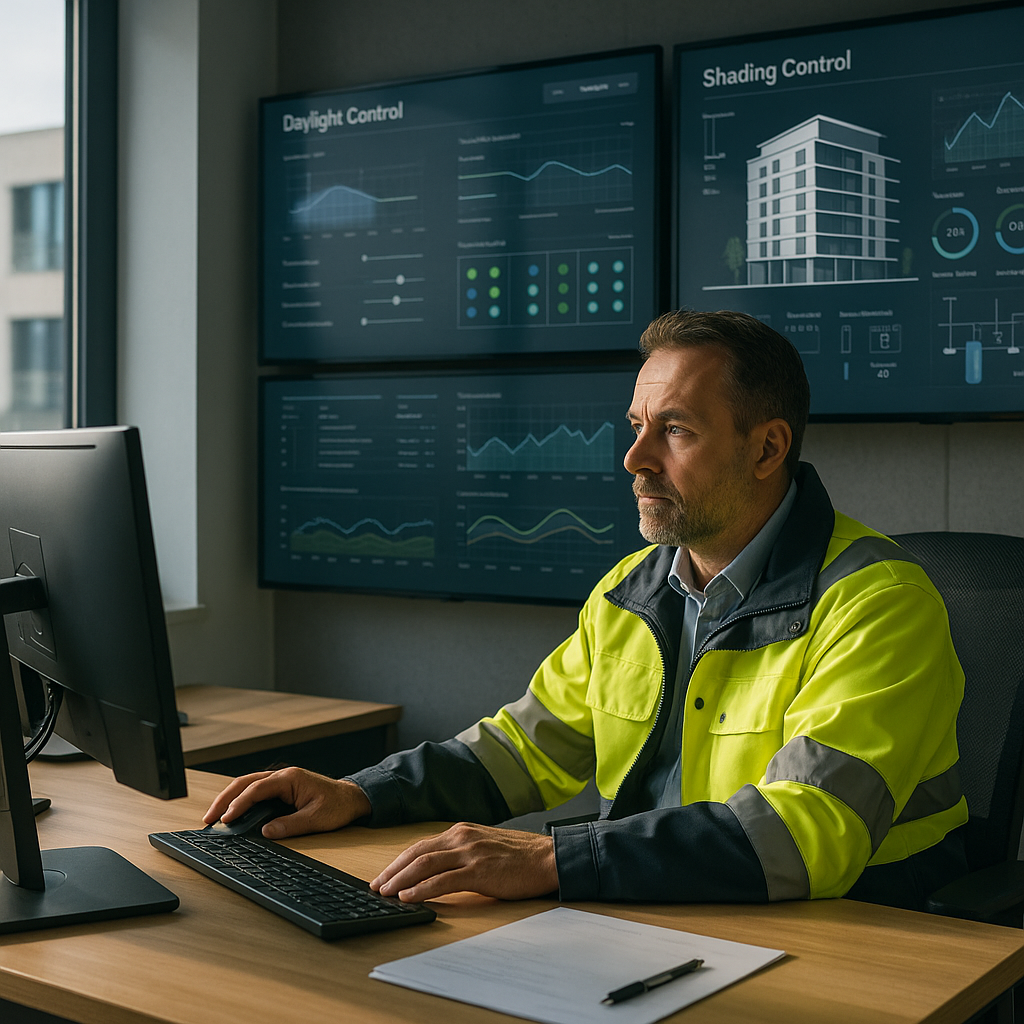
    For multi site operators, smarter buildings also provide better data. Connected meters, sensors and building management systems allow facilities teams to monitor performance in real time, identify waste and benchmark locations. This data is increasingly being fed into corporate reporting, sustainability disclosures and long term asset planning.

    Key technologies behind the trend

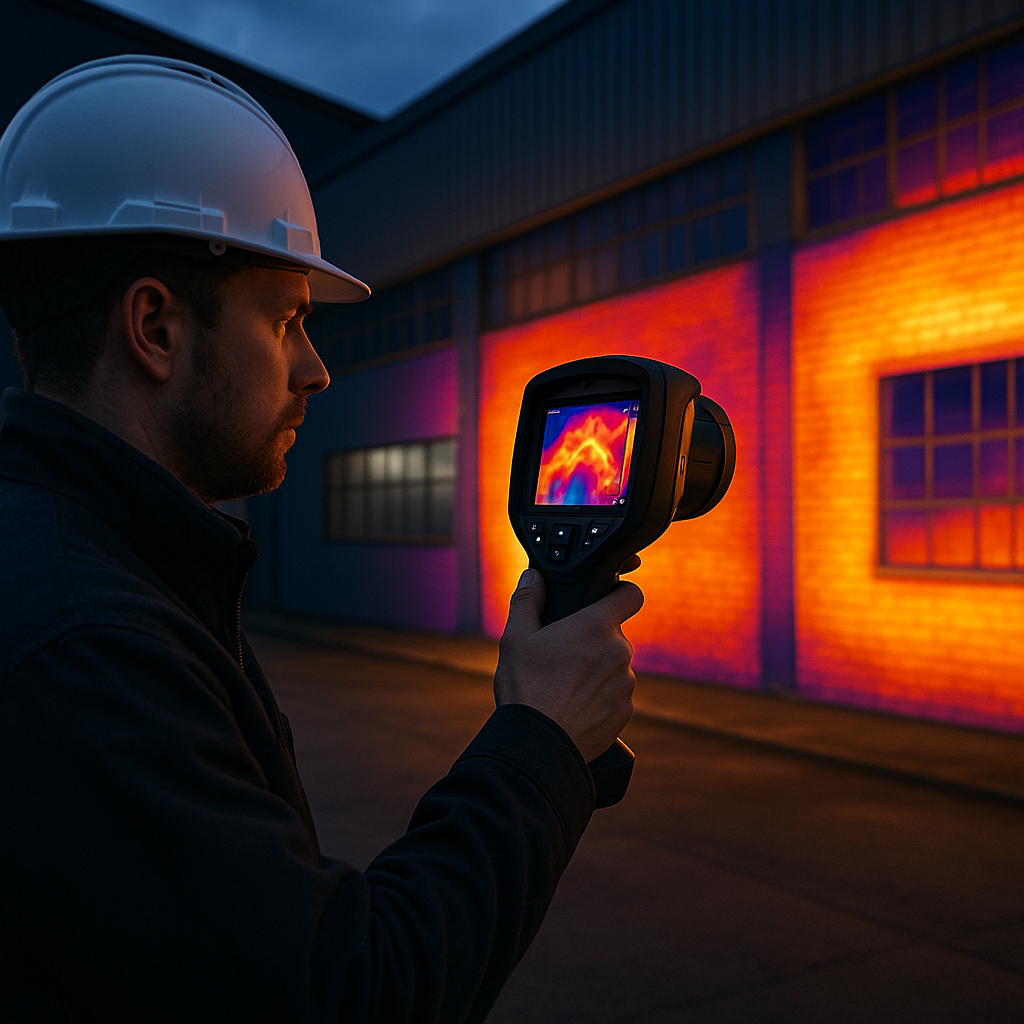
    There is no single solution for delivering energy efficient buildings, but several technologies are emerging as common ingredients. High performance glazing, airtightness improvements and advanced controls are now standard parts of many commercial refurbishments.

    Heat pumps are beginning to replace gas boilers in some offices, retail units and public buildings, particularly where there is space for external units and a long term occupancy plan. Smart thermostats, zoning and occupancy sensors are helping businesses match energy use more closely to actual demand, avoiding the classic problem of heating or cooling empty spaces.

    Fabric upgrades remain fundamental. Measures such as roof, wall and floor improvements, similar to those used in home insulation projects, are being adapted for commercial and industrial premises to reduce heat loss and improve thermal comfort.

    Financing and support for UK firms

    Cost is still the main barrier for many organisations, especially smaller businesses with limited capital. However, the funding landscape is changing. Banks are developing green loans that offer preferential terms where projects can demonstrate measurable energy savings or emissions reductions.

    Some local authorities and combined authorities are running grant schemes or low interest loans for upgrades to business premises, often targeted at high street retailers, hospitality venues and light industrial estates. Energy performance contracts, where a third party funds improvements in return for a share of the savings, are also becoming more common in the public and healthcare sectors.

    Professional audits are playing a bigger role too. Independent assessors can identify the most cost effective measures, estimate payback periods and help businesses navigate standards and incentives. This evidence base is increasingly important when seeking board approval or external finance.

    What UK leaders should do next

    For decision makers, the first step is to treat building performance as a strategic issue rather than a facilities problem. That means bringing finance, operations and HR into the conversation, not just estates teams.

    Business leaders reviewing performance data inside energy efficient buildings in a bright open-plan office.
    UK high street scene with refurbished shops operating in energy efficient buildings to reduce running costs.

    Energy efficient buildings FAQs

    Are energy efficient upgrades worth it for small UK businesses?

    For many small firms, energy use is a significant overhead and even modest improvements can have a noticeable impact on cash flow. Low cost steps such as better controls, LED lighting and draught reduction often pay back within a couple of years. Larger investments should be assessed case by case, but rising energy prices and tightening regulations mean that delaying action can carry its own financial risks.

    How can landlords and tenants work together on building improvements?

    Split incentives are a common problem, as landlords own the asset but tenants pay the bills. Increasingly, commercial leases are being updated to include green clauses that set out how data will be shared, how upgrades will be funded and how benefits will be allocated. Open communication, clear service charge arrangements and joint energy audits can help both parties identify win win projects.

    What role do energy efficient buildings play in net zero strategies?

    Buildings are a major source of operational emissions, so improving their performance is usually one of the most cost effective steps in any net zero plan. Upgrades to heating, cooling, lighting and building fabric can significantly reduce demand, which then makes it easier and cheaper to cover the remaining energy use with low carbon supply options such as renewables. Many organisations now see building improvements as the foundation of their wider decarbonisation roadmap.

  • Are Electric Pickups Really Ready To Replace Diesel Workhorses?

    Are Electric Pickups Really Ready To Replace Diesel Workhorses?

    The debate around electric pickup trucks has shifted from “are they coming?” to “are they genuinely ready to replace diesel workhorses?” For tradespeople, farmers and outdoor enthusiasts, this is more than a tech trend – it is a question about reliability, running costs and day to day practicality.

    While early electric models were seen as niche or experimental, the latest generation is targeting serious towing, off road performance and long distance comfort. Yet many drivers are still unsure whether a battery powered truck can cope with real world abuse, especially in tough UK weather.

    Why electric pickup trucks are gaining ground

    Several forces are pushing the shift. Governments are tightening emissions rules, cities are expanding low emission zones and fuel prices remain unpredictable. At the same time, battery costs are gradually falling and public charging networks are expanding across motorways and major A roads.

    Manufacturers have noticed that traditional truck owners are tired of high fuel bills and road tax, but still need torque, payload and durability. Modern electric pickup trucks deliver instant torque from a standstill, smooth acceleration in traffic and far fewer moving parts than a complex diesel engine, which can mean lower maintenance over the life of the vehicle.

    Range, towing and payload in the real world

    Range anxiety is still the biggest concern. Brochure figures often quote best case numbers achieved in mild weather with no load. Hitch up a heavy trailer, fill the bed with tools or drive into a winter headwind and that range can drop sharply.

    For many UK users, though, daily mileage is lower than they think. A plumber who covers a local patch, or a farmer moving between fields and the village, may only clock 60 to 100 miles a day. With home or depot charging overnight, that is well within the capability of most current batteries.

    Longer trips are more complicated. Towing a caravan or livestock trailer to the Highlands, for example, will require careful route planning around rapid chargers that can handle a large vehicle and trailer. Until charging bays are consistently designed with longer wheelbases and turning circles in mind, some drivers will stick with diesel for peace of mind.

    Charging options for working drivers

    How and where you charge makes or breaks the ownership experience. Home charging on a driveway or at a farmyard is usually the cheapest and most convenient option, especially on an off peak tariff. Workplace chargers at depots or industrial units are becoming more common, allowing fleets to top up during the day.

    Public rapid charging is vital for anyone who travels widely, yet it is still patchy in rural areas. Reliability, queuing and charger compatibility are ongoing frustrations. Before committing to an electric truck, it is worth mapping your typical routes and checking what infrastructure already exists, and how often you would realistically need it.

    Total cost of ownership: more than the sticker price

    Electric pickup trucks often carry a higher upfront price tag than their diesel equivalents, even after grants or discounts. However, total cost of ownership over several years can be competitive once you factor in fuel savings, reduced servicing and potential tax advantages for low emission vehicles.

    Electric motors do not need oil changes, timing belts or complex exhaust after treatment systems. Brake wear can also be lower thanks to regenerative braking. On the other hand, tyres may wear faster due to higher torque and weight, and insurance costs can be higher until repair networks are fully up to speed.

    Another consideration is residual value. As more models hit the used market, buyers are becoming more comfortable with high mileage electric vehicles, but concerns about long term battery health still affect prices. Choosing a model with a strong warranty and proven reliability record remains essential.

    What about older trucks and parts availability?

    Even if electric options are appealing, many businesses will keep their existing diesel trucks running for years to come. Robust availability of spares, from body panels to drivetrain components, is what keeps older workhorses on the road and earning. Specialist suppliers of mitsubishi parts and other OEM or recycled components help extend the life of vehicles that might otherwise be scrapped prematurely.

    Driver charging one of several electric pickup trucks at a motorway service station rapid charger.
    Family travelling in one of the latest electric pickup trucks while towing a trailer through the countryside.

    Electric pickup trucks FAQs

    How long do electric pickup truck batteries usually last?

    Most manufacturers warranty their batteries for around eight years or a set mileage, often 100,000 miles or more. In practice, many packs retain a high percentage of their original capacity beyond the warranty period, especially if they are not fast charged constantly and are kept within moderate charge levels rather than being run to empty and then fully charged every day.

    Can I still use an electric pickup for off road work?

    Yes, many modern models are designed with off road use in mind, offering features such as dual motor all wheel drive, selectable drive modes and good ground clearance. Instant torque can actually be an advantage on loose surfaces. However, you need to consider range when far from charging points and be aware that deep water wading is still limited by manufacturer guidance.

    Are electric pickup trucks cheaper to run than diesel?

    Running costs are often lower, mainly due to cheaper electricity compared with diesel and reduced servicing requirements. Home or workplace charging on an off peak tariff can dramatically cut per mile costs. However, public rapid charging is more expensive, and higher insurance or tyre wear can offset some savings. Calculating your own total cost of ownership is the best way to see which option works out cheaper over several years.

  • What Does Your Flooring Say About Your Personality?

    What Does Your Flooring Say About Your Personality?

    When people talk about making a good impression in a business setting, they usually mean eye contact, a firm handshake, or wearing something sharp. But have you ever thought about what your flooring says about you—or your company? You might be surprised.

    best commercial flooring

    Flooring isn’t just practical. In commercial spaces, it’s one of the first things visitors notice. It sets the tone, defines the vibe, and—dare we say it—gives away a little bit of your personality. So, if you’re on the hunt for the best commercial flooring for your business, it might help to ask: what story do you want your space to tell?

    Let’s have some fun and explore what different flooring types might say about you (or the people making the decisions).

    Carpet Tiles: The Welcoming One

    Choosing carpet tiles? You’re probably someone who wants your workplace to feel warm, approachable, and people-friendly. You value comfort as much as professionalism, and your team’s well-being is a top priority. You’re the sort of manager who remembers birthdays, stocks the staff kitchen with good biscuits, and always has a moment to chat. Carpet tiles are soft underfoot, easy to maintain, and perfect for creating a relaxed, collaborative environment.

    Polished Concrete: The Stylish Minimalist

    Polished concrete is sleek, industrial, and effortlessly cool—like the flooring version of a Scandinavian design magazine. If you’ve chosen this look, chances are you’re a minimalist at heart. You love clean lines, open space, and no-nonsense functionality. You likely describe your office as a “creative hub” and have a fondness for exposed brick, monochrome colour schemes, and “hot desking.” You’re all about efficiency—with flair.

    Luxury Vinyl Tiles (LVT): The Clever All-Rounder

    Looking for the best commercial flooring that’s stylish, durable, and low-maintenance? LVT might be your perfect match. If you’ve opted for luxury vinyl tiles, you’re probably someone who likes things to look good and work hard. You’re smart, practical, and don’t fall for trends unless they offer long-term value. You’re the person others come to for advice, and you never miss a deadline. Bonus points if you’ve got a spreadsheet for everything.

    Hardwood Floors: The Sophisticated Traditionalist

    Wood floors say timeless elegance and a love for quality that lasts. If this is your go-to, you’re probably someone who appreciates classic design, fine details, and the occasional oak-panelled boardroom moment. You like things to be done properly, you respect tradition, and you probably have a perfectly organised desk. Hardwood in a commercial space makes a bold, beautiful statement—but you already knew that.

    Rubber Flooring: The Sustainable Thinker

    Rubber flooring is all about resilience, safety, and sustainability. If this is your choice, you’re likely forward-thinking, practical, and environmentally conscious. You’re the one making sure the lights are off when no one’s in the room, you’ve banned single-use plastic in the office, and you’ve got a reusable water bottle that’s been with you since 2017. For spaces like gyms, schools, or healthcare settings, rubber is one of the best commercial flooring options for its slip-resistance and durability.

    Bold Patterns & Bright Colours: The Creative Spark

    Patterned vinyl, statement carpets, or colour-pop tiles? You’re not afraid to stand out—and neither is your floor. If your commercial space is bursting with colour, you’re likely a creative thinker who wants to energise, inspire, and maybe even provoke a little. You don’t do beige, and your ideas are as bold as your design choices. You’re the life of the brainstorming session and the reason the office has a ping-pong table.

    Finding the Best Commercial Flooring for You

    Of course, your flooring isn’t the only thing that defines your business—but it certainly helps set the scene. From cosy carpet tiles to industrial concrete, every surface has its own personality and practical strengths.

    The best commercial flooring depends on your space, your goals, and yes—even your personality. That’s where a specialist like Macfloor can help. With a wide range of commercial flooring solutions, they help businesses across the UK create spaces that are not only functional, but full of character.

    So, next time you walk into a building, take a look down. You might learn something about the people behind the door—before anyone even says a word.