
The rapid rise of parcel collection points across the UK high street is quietly rewiring how people shop, how goods move and how small retailers survive. From lockers in supermarket car parks to independent shops acting as click and collect hubs, the line between online and offline retail is getting very blurry.
What are parcel collection points and why are they everywhere?
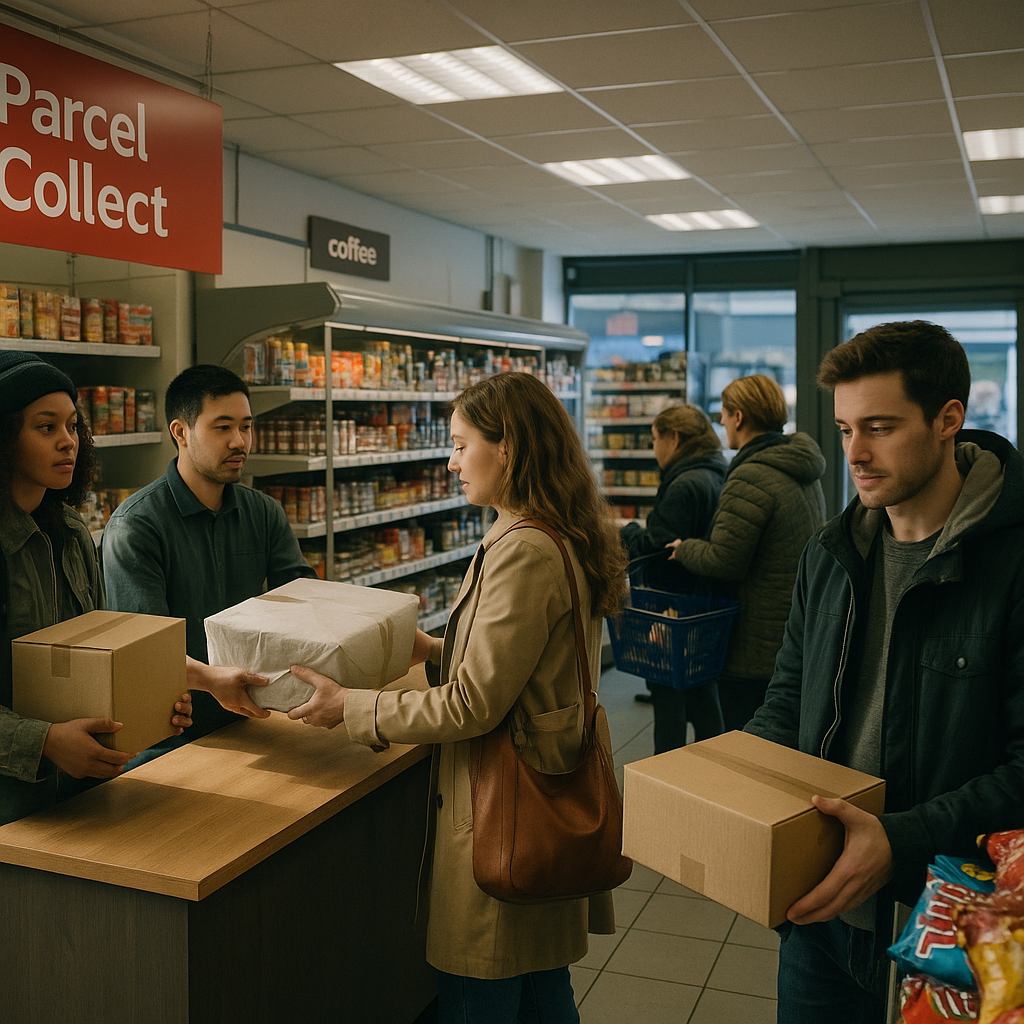
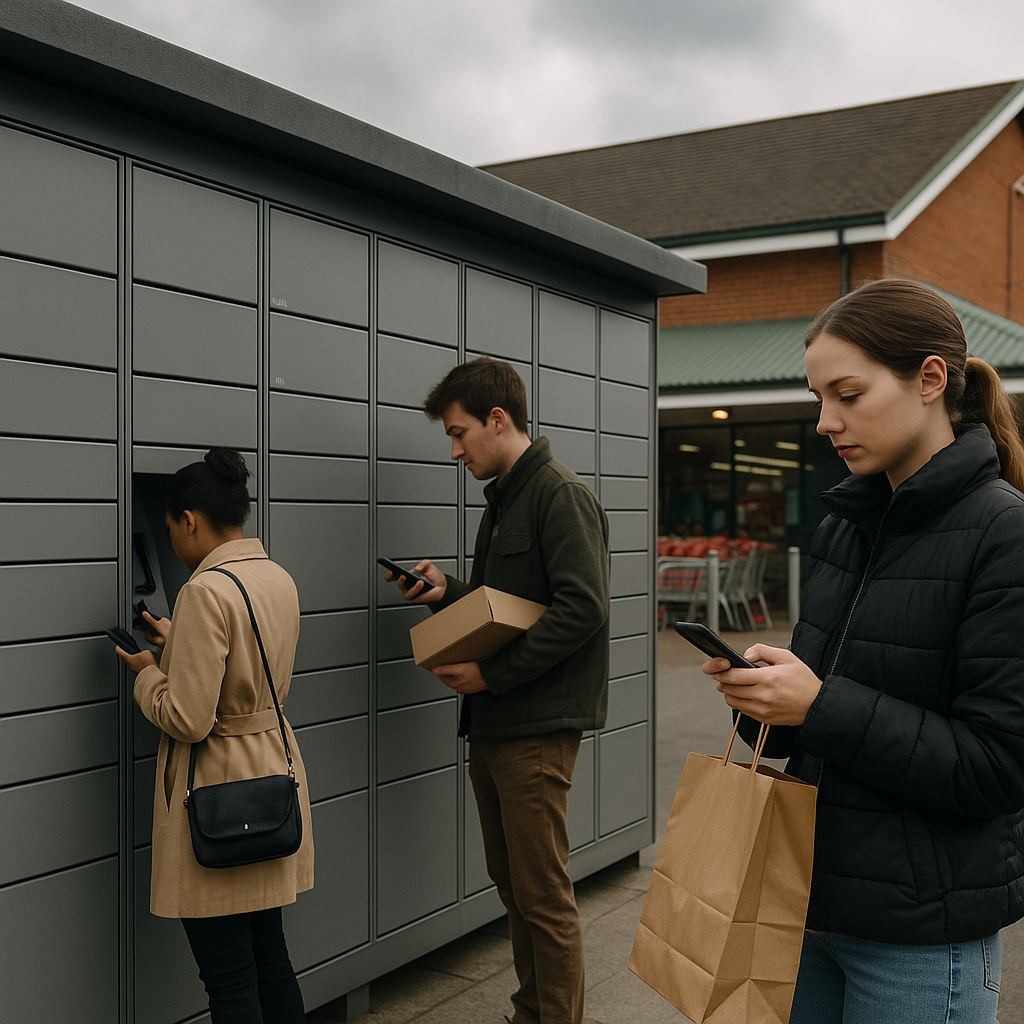
Parcel collection points are locations where customers can pick up or return online orders instead of receiving them at home. They include staffed counters in convenience stores, lockers in petrol stations, and local businesses partnered with courier networks or marketplaces.
The model solves several problems in one hit. Couriers reduce failed deliveries, marketplaces offer more flexible options at checkout, and customers get control over when and where they receive parcels. For high street retailers, it is a new way to drive people through the door without massive marketing spend.
How parcel collection points change high street footfall
The biggest immediate impact is footfall. Each parcel collection or return is a reason for someone to visit a physical location they might otherwise ignore. That visit is a micro opportunity to convert a pure logistics interaction into a retail one.
Data from retailers that have embraced click and collect style services suggests a consistent pattern: a percentage of customers buying something extra while they are in store. Even low conversion rates can be meaningful when hundreds of parcels pass through a location every week. For smaller high street shops, this can be the difference between a quiet Tuesday and a profitable one.
There is also a subtle behavioural shift. When customers start to see a shop as part of their weekly parcel routine, it becomes embedded in their mental map of the local area. That kind of habitual presence is hard to buy with advertising alone.
Logistics costs and the power of consolidation
From a logistics perspective, parcel collection points are essentially consolidation nodes. Instead of a van attempting multiple home deliveries on a single street, dozens of parcels can be dropped at one location in a single stop.
This consolidation can reduce last mile costs per parcel, cut fuel usage and lower the carbon footprint of each delivery. For carriers and marketplaces, those savings are strategically important as volumes rise and consumers resist higher delivery fees.
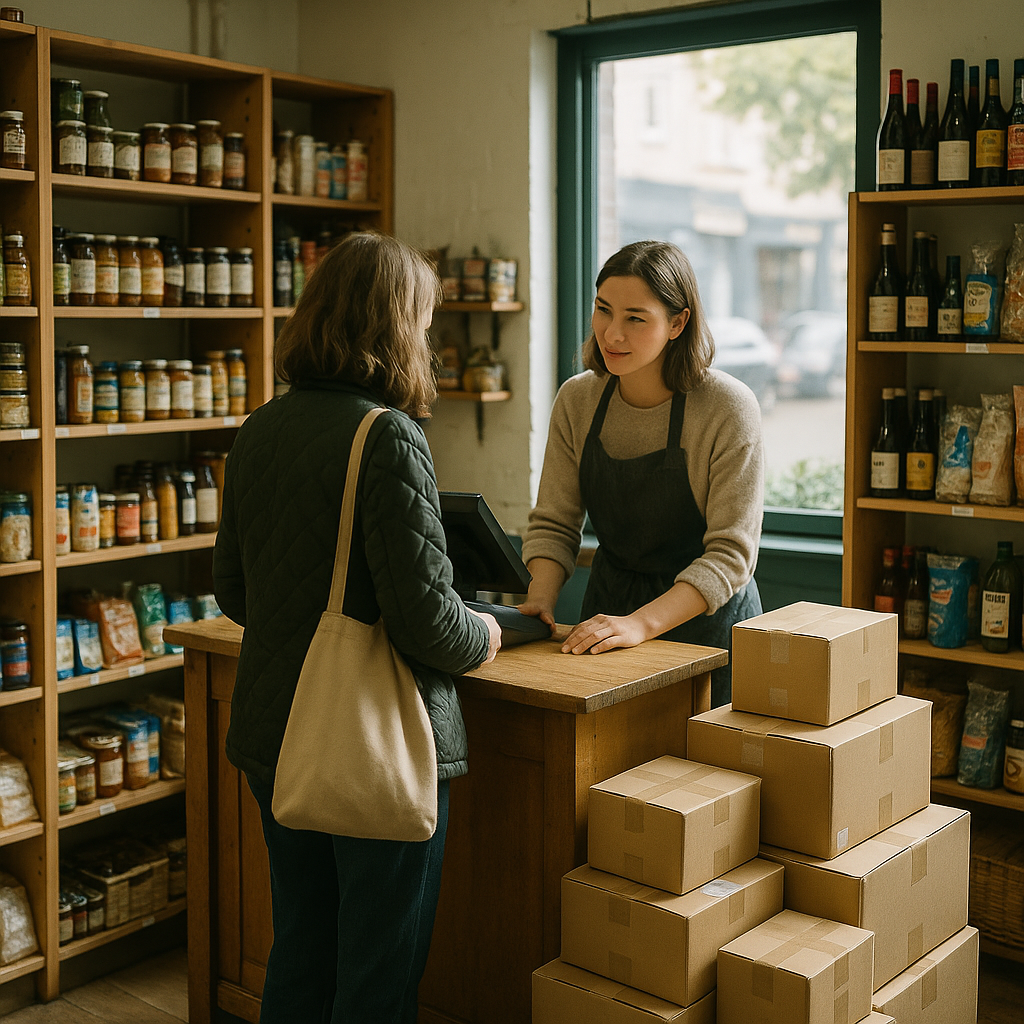
For small retailers hosting the service, the economics look different. They are trading space, staff time and a little operational complexity for handling fees, extra footfall and the chance to upsell. The trick is to avoid becoming an unpaid mini-warehouse. Clear processes, defined storage areas and staff training are essential to keep the service from overwhelming the core business.
Shifting consumer expectations around convenience
As parcel collection points become normal, consumer expectations are shifting. “Next day to my door” is no longer the only benchmark for convenience. Many shoppers are now happy to trade doorstep delivery for certainty and flexibility.
Being able to pick up a parcel late in the evening, combine returns with the weekly shop, or use lockers to avoid missed deliveries creates a different kind of convenience. It is less about speed and more about control. That expectation bleeds into how people view all local services.
For retailers, this raises the bar. Customers increasingly assume that local businesses will offer some form of click and collect, out of hours access, or easy returns. Shops that ignore the trend risk looking old fashioned, even if their core offer is strong.
What small retailers should consider before signing up
For small businesses, joining a network of parcel collection points can be a smart move, but it is not a free lunch. Key questions to ask include:
Parcel collection points FAQs
How do parcel collection points benefit small UK retailers?
Small retailers benefit from parcel collection points through increased footfall, handling fees and more chances to upsell to customers who visit only to pick up or return parcels. When managed well, the service builds local awareness and embeds the shop into customers’ weekly routines, without the cost of traditional marketing campaigns.
Are parcel collection points expensive for businesses to run?
The direct costs of parcel collection points are usually low, but there are hidden operational costs in staff time, training and storage space. Retailers need to weigh handling fees and extra sales against the impact on day to day operations. Clear processes, defined storage areas and limits on parcel volumes help keep the service sustainable.
Do customers really prefer parcel collection points to home delivery?
Many customers still like home delivery, but parcel collection points appeal to people who value certainty and flexibility. They are useful for those who are not at home during the day, live in shared accommodation, or want to combine collections and returns with other errands. As the options become more common, they are increasingly seen as a normal part of the delivery mix rather than a niche alternative.