
The UK data centre boom is no longer a niche infrastructure story. It sits right at the crossroads of AI, cloud, energy policy and regional growth. Behind every chatbot, streaming service and SaaS dashboard is a warehouse of servers that needs land, power and fibre before it can deliver a single query.
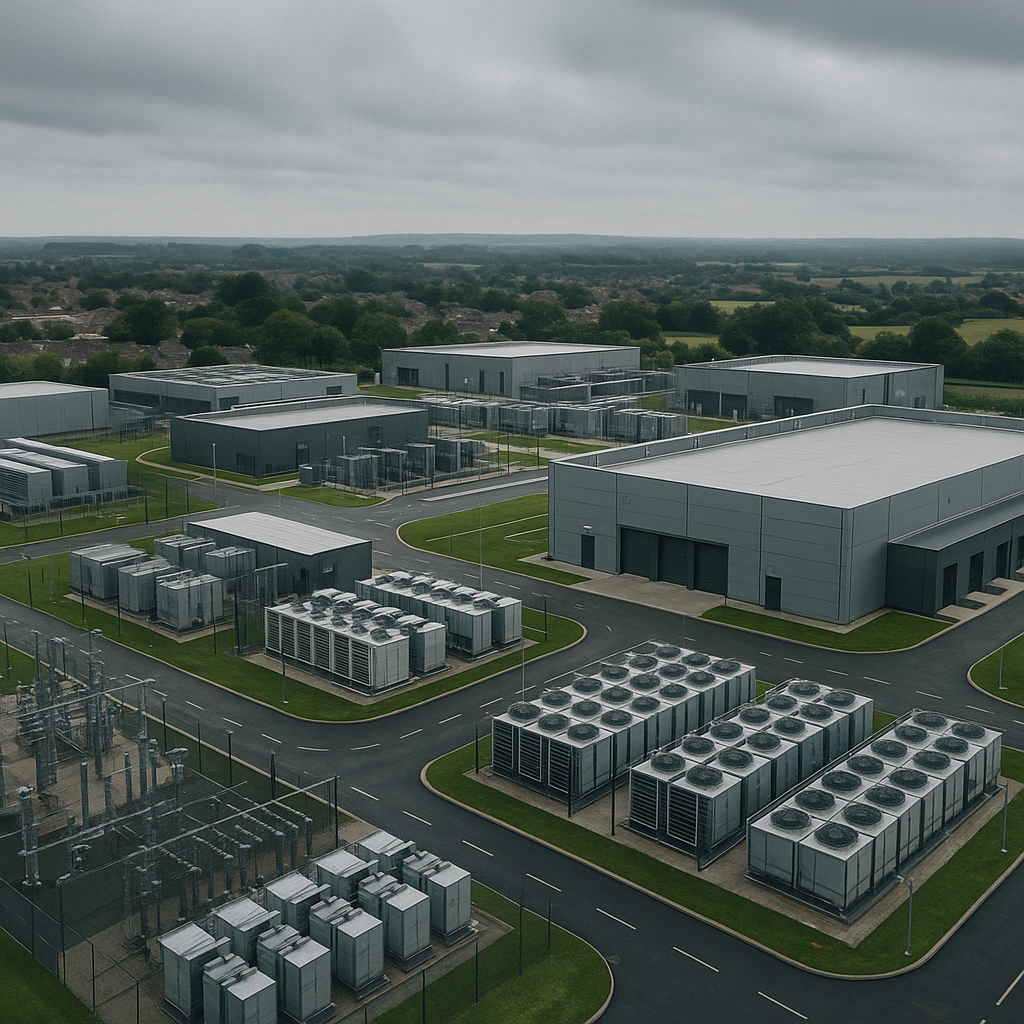
What is driving the UK data centre boom?
The simplest answer is that demand for compute has exploded. UK organisations are shifting workloads from on premises kit into public cloud platforms, while AI models are chewing through orders of magnitude more processing power than traditional applications. Training and running large models requires dense clusters of GPUs, high bandwidth networking and vast storage. That has turned data centres from a back office concern into critical national infrastructure.
At the same time, regulators, banks, retailers and manufacturers are tightening uptime and resilience requirements. Redundant sites, disaster recovery regions and low latency links between major cities all need physical facilities. The result is a wave of new build projects, expansions of existing campuses and a scramble for suitable land in locations that can actually power these digital factories.
Why data centres are clustering in specific UK regions
A striking feature of the UK data centre boom is how unevenly it is distributed. London and the wider South East still dominate because they sit on top of key fibre routes, financial trading hubs and cloud on ramps. Latency sensitive workloads, from trading to online gaming, tend to stay close to the capital.
However, grid constraints and soaring land prices are pushing operators to look further out. The Slough and Thames Valley corridor has become a major cluster thanks to a combination of existing grid connections, industrial land and established tech ecosystems. Scotland and the North of England are attracting interest where there is access to renewable generation, cooler climates and local authorities keen to repurpose industrial sites.
In practice, operators are running a multi variable equation: power availability, network connectivity, planning risk, flood risk, cooling options and proximity to customers. A site that scores well on all of those quickly becomes a magnet, and once one campus lands, suppliers and follow on projects tend to accumulate around it.
Energy costs, grid constraints and the AI power problem
Energy is where the UK data centre boom collides head on with reality. High performance AI workloads can draw several times more power per rack than traditional enterprise hosting. That pushes total site demand into hundreds of megawatts, comparable to a small town.
Grid connection queues and reinforcement costs are now a major bottleneck. Developers in some parts of the South East have been told to expect multi year waits for new capacity. In response, operators are exploring on site generation, long term power purchase agreements with renewable projects, and more efficient cooling such as direct liquid systems and free air designs in cooler regions.
Energy prices remain a key commercial risk. Long term contracts can smooth volatility, but they also lock operators into assumptions about utilisation and customer demand. For UK businesses that rely on cloud services, the cost of power ultimately feeds into pricing models, especially for compute heavy AI features.
What the UK data centre boom means for local businesses
For local economies, a data centre is not a huge employer once construction is finished, but it can be a powerful anchor tenant. Direct jobs include facilities engineers, network specialists, security teams and operations staff. Indirectly, there is steady work for maintenance contractors, catering, cleaning and physical security providers.
More strategically, a major facility can help attract software firms, managed service providers and startups that want to be close to the infrastructure they depend on. That is particularly true for latency sensitive use cases such as real time analytics, industrial IoT and media production. Regions that combine data centres with universities and business parks can build credible digital clusters instead of relying solely on traditional industries.
Balancing growth with community and sustainability concerns
Local communities are increasingly aware that the UK data centre boom brings trade offs. Concerns range from visual impact and noise from cooling equipment to questions about water use and competition for grid capacity with housing and transport projects.

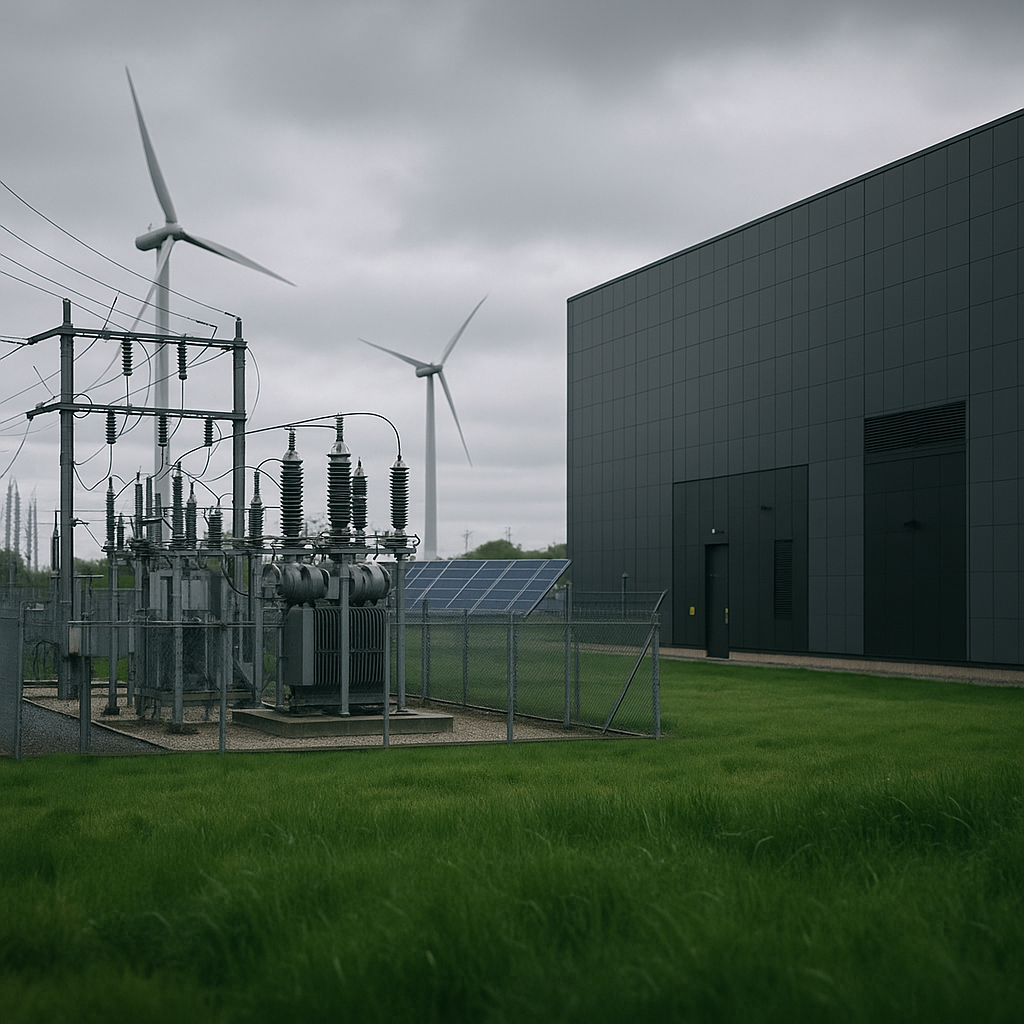
UK data centre boom FAQs
Why are so many new data centres being built in the UK?
New facilities are being driven by rapid growth in cloud and AI workloads, stricter resilience requirements and increasing digitalisation across UK industries. Organisations are moving applications and data into cloud platforms, and AI models need far more compute and storage than traditional systems. That combination has created a surge in demand for large, well connected, energy hungry sites, resulting in the current UK data centre boom across several key regions.
How do energy costs affect data centre pricing for UK businesses?
Energy is one of the largest operating costs for data centres, especially where AI and high performance workloads are involved. When electricity prices rise, operators have to absorb or pass on some of that cost through higher service charges. Long term power contracts and efficiency improvements can soften the impact, but over time, sustained high energy prices in the UK are likely to influence the cost of cloud, hosting and AI services used by businesses.
Do data centres create many long term jobs in local areas?
Once construction is complete, a typical facility supports a relatively small but highly skilled core team, along with contracted roles in maintenance, security and services. The bigger impact often comes indirectly, as data centres attract technology firms, service providers and startups that want to be close to major infrastructure. In regions that plan well, the UK data centre boom can support wider digital clusters and higher value employment rather than just one off construction work.