
Energy efficient buildings are moving from a niche concern to a boardroom priority across the UK. Rising energy prices, tightening regulations and pressure from investors and customers are forcing organisations of all sizes to rethink how their premises are designed, heated and managed.
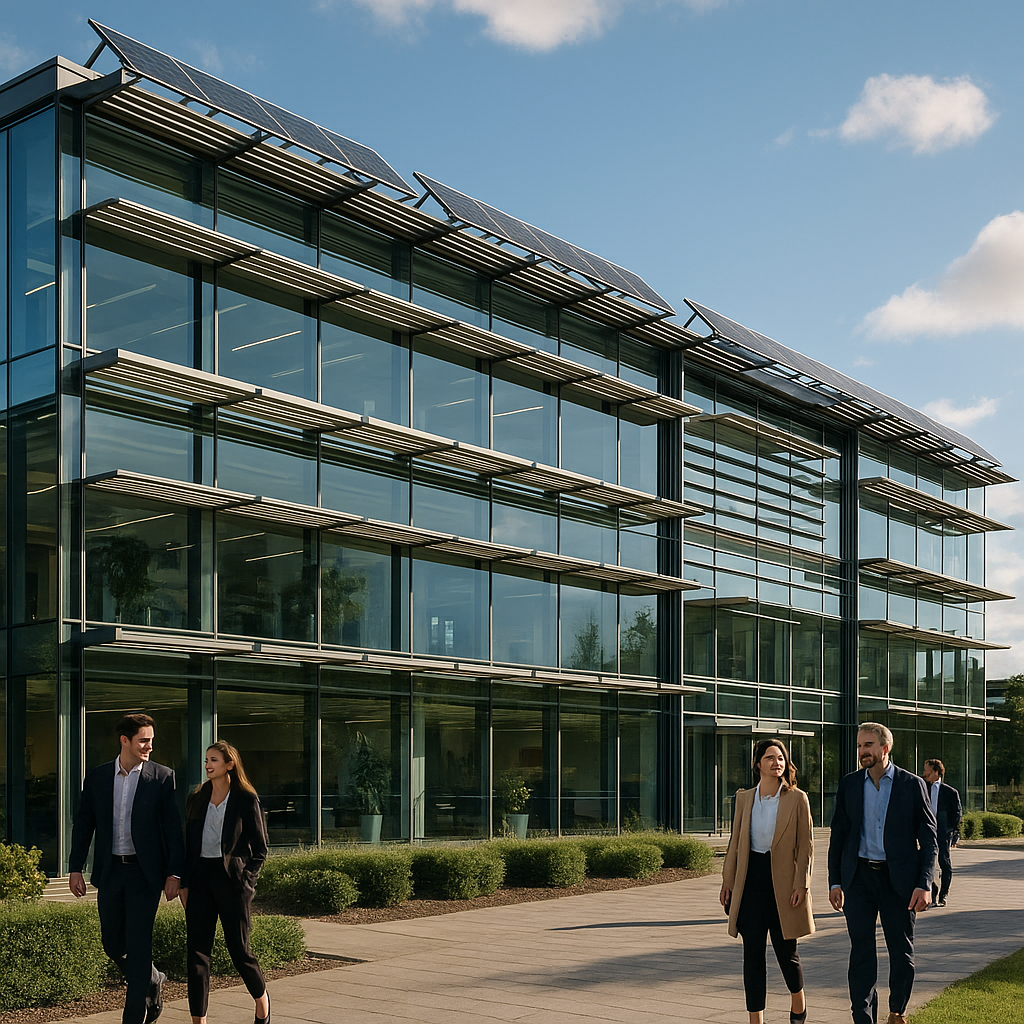
For many UK businesses, property is one of the biggest fixed costs. Every kilowatt of wasted heat or lighting is now felt directly on the bottom line. At the same time, the built environment is responsible for a large share of national emissions, putting commercial and industrial sites in the spotlight as the country works towards net zero.
What is driving the shift to energy efficient buildings?
Several powerful trends are converging. Energy bills remain volatile and many firms are still feeling the impact of recent price spikes. Cutting consumption is often the fastest way to regain control of operating costs, especially for energy intensive sectors such as manufacturing, logistics and hospitality.
Regulation is also tightening. Minimum Energy Efficiency Standards for rented commercial property are being phased in, and future changes to building regulations are widely expected to demand higher performance from new and refurbished sites. Landlords and occupiers who ignore these shifts risk stranded assets, reduced valuations and difficulties securing finance.
There is also a reputational dimension. Investors, large corporate clients and the public sector are increasingly scrutinising supply chains. Companies that can demonstrate credible action on building performance are better placed to win contracts and access green finance products that reward lower emissions.
How energy efficient buildings change business performance
The business case is no longer just about cutting bills. Energy efficient buildings can improve productivity, reduce staff turnover and support hybrid working models.
Better control of temperature, ventilation and lighting has been linked to fewer sick days and higher concentration levels, particularly in offices and educational settings. Natural light and stable indoor conditions tend to make workplaces more attractive, which helps with recruitment and retention in a tight labour market.
For multi site operators, smarter buildings also provide better data. Connected meters, sensors and building management systems allow facilities teams to monitor performance in real time, identify waste and benchmark locations. This data is increasingly being fed into corporate reporting, sustainability disclosures and long term asset planning.
Key technologies behind the trend
There is no single solution for delivering energy efficient buildings, but several technologies are emerging as common ingredients. High performance glazing, airtightness improvements and advanced controls are now standard parts of many commercial refurbishments.
Heat pumps are beginning to replace gas boilers in some offices, retail units and public buildings, particularly where there is space for external units and a long term occupancy plan. Smart thermostats, zoning and occupancy sensors are helping businesses match energy use more closely to actual demand, avoiding the classic problem of heating or cooling empty spaces.
Fabric upgrades remain fundamental. Measures such as roof, wall and floor improvements, similar to those used in home insulation projects, are being adapted for commercial and industrial premises to reduce heat loss and improve thermal comfort.
Financing and support for UK firms
Cost is still the main barrier for many organisations, especially smaller businesses with limited capital. However, the funding landscape is changing. Banks are developing green loans that offer preferential terms where projects can demonstrate measurable energy savings or emissions reductions.
Some local authorities and combined authorities are running grant schemes or low interest loans for upgrades to business premises, often targeted at high street retailers, hospitality venues and light industrial estates. Energy performance contracts, where a third party funds improvements in return for a share of the savings, are also becoming more common in the public and healthcare sectors.
Professional audits are playing a bigger role too. Independent assessors can identify the most cost effective measures, estimate payback periods and help businesses navigate standards and incentives. This evidence base is increasingly important when seeking board approval or external finance.
What UK leaders should do next
For decision makers, the first step is to treat building performance as a strategic issue rather than a facilities problem. That means bringing finance, operations and HR into the conversation, not just estates teams.


Energy efficient buildings FAQs
Are energy efficient upgrades worth it for small UK businesses?
For many small firms, energy use is a significant overhead and even modest improvements can have a noticeable impact on cash flow. Low cost steps such as better controls, LED lighting and draught reduction often pay back within a couple of years. Larger investments should be assessed case by case, but rising energy prices and tightening regulations mean that delaying action can carry its own financial risks.
How can landlords and tenants work together on building improvements?
Split incentives are a common problem, as landlords own the asset but tenants pay the bills. Increasingly, commercial leases are being updated to include green clauses that set out how data will be shared, how upgrades will be funded and how benefits will be allocated. Open communication, clear service charge arrangements and joint energy audits can help both parties identify win win projects.
What role do energy efficient buildings play in net zero strategies?
Buildings are a major source of operational emissions, so improving their performance is usually one of the most cost effective steps in any net zero plan. Upgrades to heating, cooling, lighting and building fabric can significantly reduce demand, which then makes it easier and cheaper to cover the remaining energy use with low carbon supply options such as renewables. Many organisations now see building improvements as the foundation of their wider decarbonisation roadmap.