
AI energy management is rapidly moving from a niche technology experiment into a mainstream operational priority for UK businesses of all sizes. As energy costs remain a significant pressure on margins and sustainability targets become harder to ignore, companies are turning to intelligent systems that can monitor, predict, and optimise energy consumption in ways that were simply not possible a few years ago.

Why AI Energy Management Matters Right Now
The UK’s industrial and commercial sectors account for a substantial share of national energy consumption. With grid volatility, shifting tariff structures, and net-zero commitments all converging at once, businesses can no longer rely on static energy contracts and quarterly meter readings. Real-time data and machine learning algorithms are changing the game entirely.
Modern AI energy management platforms can analyse consumption patterns across entire building portfolios, flag inefficiencies almost instantly, and even forecast demand spikes before they happen. For facilities managers and operations directors, this translates into measurable cost savings and fewer unpleasant billing surprises at the end of the month.
What the Technology Actually Does
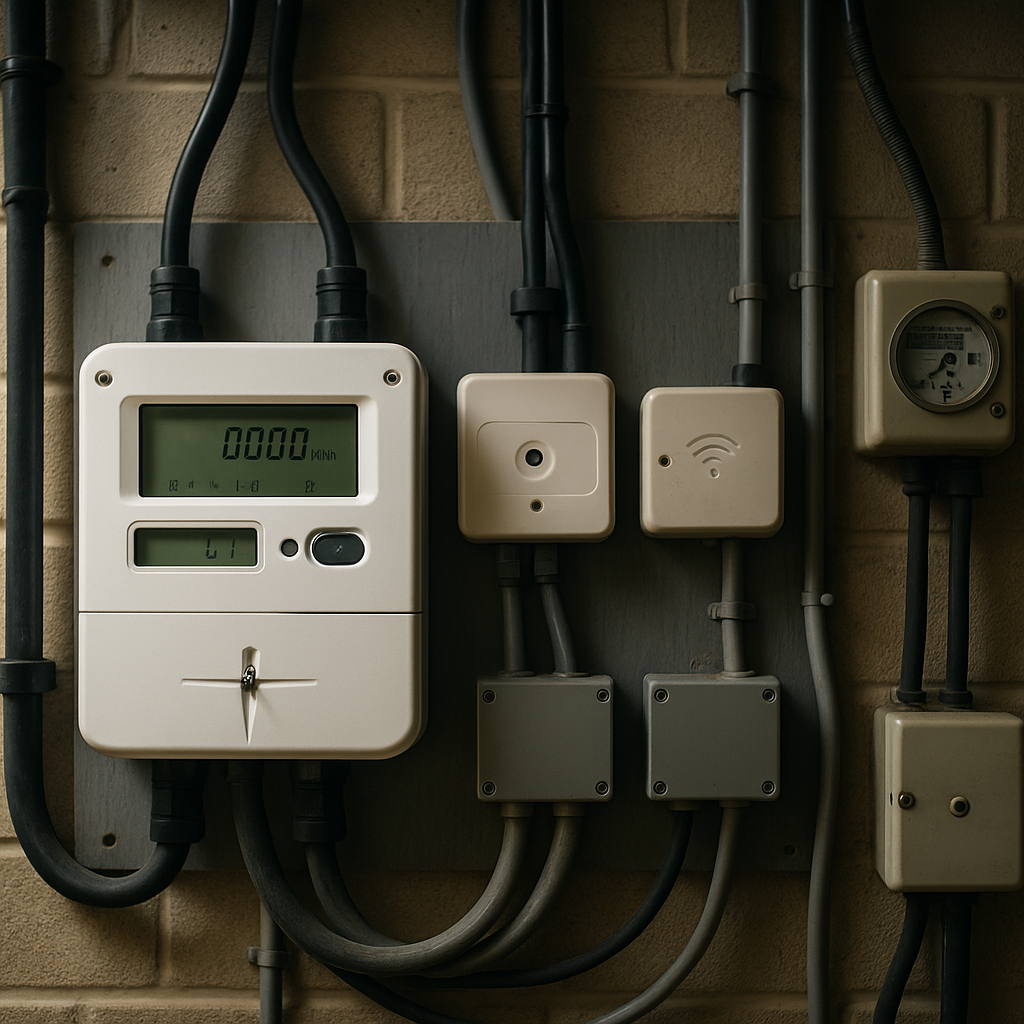
At its core, AI energy management works by ingesting large volumes of data from smart meters, sensors, building management systems, and external sources like weather forecasts or grid pricing signals. The AI layer then identifies correlations and patterns that a human analyst would take weeks to uncover manually.
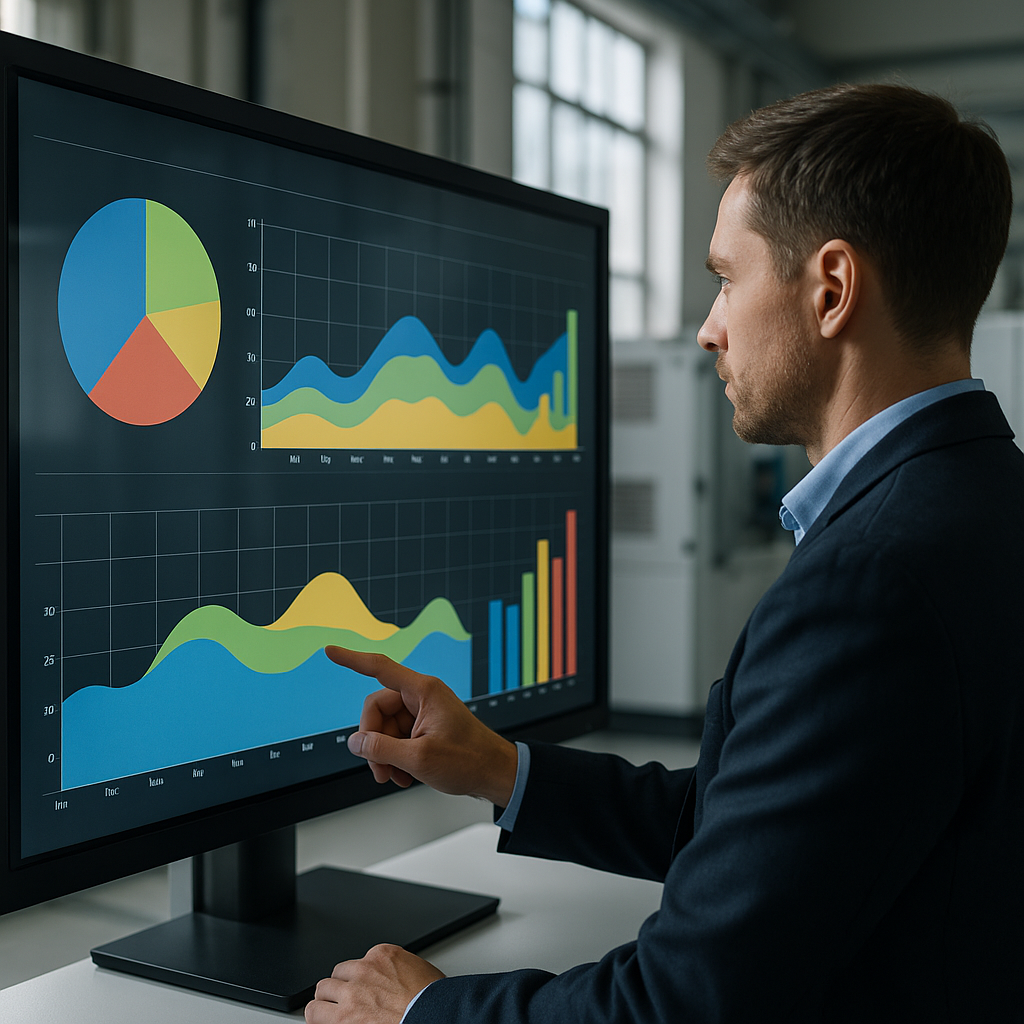
Key capabilities typically include automated load shifting – moving energy-intensive processes to off-peak periods – predictive maintenance alerts based on unusual consumption signatures, and dynamic reporting dashboards that give decision-makers a genuinely clear picture of where energy is being wasted.
Platforms like Vesta have been gaining attention in the UK market for offering this kind of integrated intelligence to commercial clients, helping businesses connect the dots between their energy data and their operational goals without needing a dedicated team of data scientists in-house.
The Business Case is Becoming Impossible to Ignore
For a long time, energy efficiency technology was seen as a worthy investment but a slow one. Payback periods of five or more years made it a hard sell to finance departments focused on short-term returns. AI energy management has started to shift that calculation.
Businesses implementing intelligent monitoring and automation tools are reporting efficiency gains of between 15 and 30 percent in some cases. Combined with the ability to participate in demand response schemes – where companies are paid to reduce consumption during grid stress events – the financial argument is becoming compelling even by conservative standards.
There is also a compliance dimension that is growing in importance. UK regulations around energy reporting for larger businesses are tightening, and having granular, auditable consumption data is increasingly a legal requirement rather than a bonus.
Barriers Still Exist, But They Are Shrinking
Legacy building infrastructure, inconsistent data quality, and a shortage of internal technical expertise remain genuine obstacles for many UK organisations. Older sites with outdated electrical infrastructure can struggle to support the sensor networks that AI energy management relies on.
However, the cost of smart hardware has dropped considerably, and cloud-based platforms mean businesses do not need to invest in expensive on-premise infrastructure. Integration with existing building management systems is also becoming smoother as open standards gain wider adoption across the industry.
What Businesses Should Be Doing Now
The smartest approach for most UK businesses is to start with a thorough energy audit to establish a solid baseline. From there, identifying one or two high-consumption areas for a pilot deployment of AI energy management tools gives organisations a manageable way to build confidence in the technology before rolling it out more broadly.
The companies that move decisively now will be better placed as energy costs and regulatory demands continue to intensify. In a landscape where every percentage point of efficiency matters, intelligent energy management is fast becoming one of the most practical technology investments a business can make.
AI energy management FAQs
What size of business can benefit from AI energy management?
AI energy management tools are no longer reserved for large enterprises. Cloud-based platforms have brought the technology within reach of small and mid-sized UK businesses, particularly those with multiple premises or energy-intensive operations such as manufacturing, hospitality, or retail.
How quickly can a business expect to see returns from AI energy management?
Payback timelines vary depending on the scale of deployment and current energy consumption, but many UK businesses report meaningful savings within the first six to twelve months. Combining cost reductions with income from demand response schemes can accelerate the return on investment considerably.
Is AI energy management compatible with older building infrastructure?
Compatibility with legacy systems is a genuine challenge, but it is increasingly manageable. Many modern AI energy management platforms are designed to work alongside existing building management systems using wireless sensors and cloud connectivity, reducing the need for costly rewiring or infrastructure overhauls.